
Does Collagen Help With Loose Skin After Weight Loss?
Collagen supplementation can meaningfully support skin elasticity and firmness during and after weight loss — though its effectiveness depends on the speed and degree of weight loss, your age, and how you use it.
Why Weight Loss Causes Loose Skin
Skin stretches to accommodate body fat. When fat is lost — especially rapidly — the skin does not always snap back fully, because collagen and elastin fibres have been stretched and partially damaged over time. The skin’s ability to retract depends on its collagen density, elastin content, and your age (older skin has less rebound capacity).
Slow, gradual weight loss gives skin more time to adapt and retract. Rapid weight loss — more than 0.5–1kg per week — is more likely to result in visible loose skin.
How Collagen Helps
Oral collagen peptides stimulate fibroblasts to produce new collagen and elastin fibres in the dermis. This means that supplementing during and after weight loss may:
- Help maintain skin elasticity as weight is lost, improving the skin’s ability to retract
- Support collagen fibre rebuilding in areas where skin has been stretched
- Improve skin firmness and texture in loose areas
A 2019 study in the Journal of Cosmetic Dermatology found that collagen peptide supplementation significantly improved skin elasticity in women with cellulite — a related condition involving loss of dermal structure.
Realistic Expectations
It is important to be honest: collagen supplements cannot reverse severe loose skin caused by massive weight loss — particularly large amounts of excess skin that would require surgical removal. However, for mild to moderate loose skin, consistent collagen supplementation is one of the most accessible non-invasive options available.
The biggest benefits are seen when collagen supplementation is started during the weight loss process rather than after, allowing fibroblast activity to keep pace with fat reduction.
What Else Helps Alongside Collagen
- Adequate protein intake overall — skin is protein; calorie-restricted diets that are also low in protein worsen loose skin
- Resistance training — building muscle beneath loose skin reduces its visible laxity
- Adequate hydration — well-hydrated skin shows better elasticity
- Vitamin C — essential for collagen synthesis; cannot be skipped
- Avoiding smoking — smoking degrades collagen and elastin significantly
The Bottom Line
For people losing weight at a moderate pace, collagen supplementation is a valuable, evidence-supported tool for helping skin keep pace with body changes. Start early, be consistent, and combine with adequate protein and resistance training.
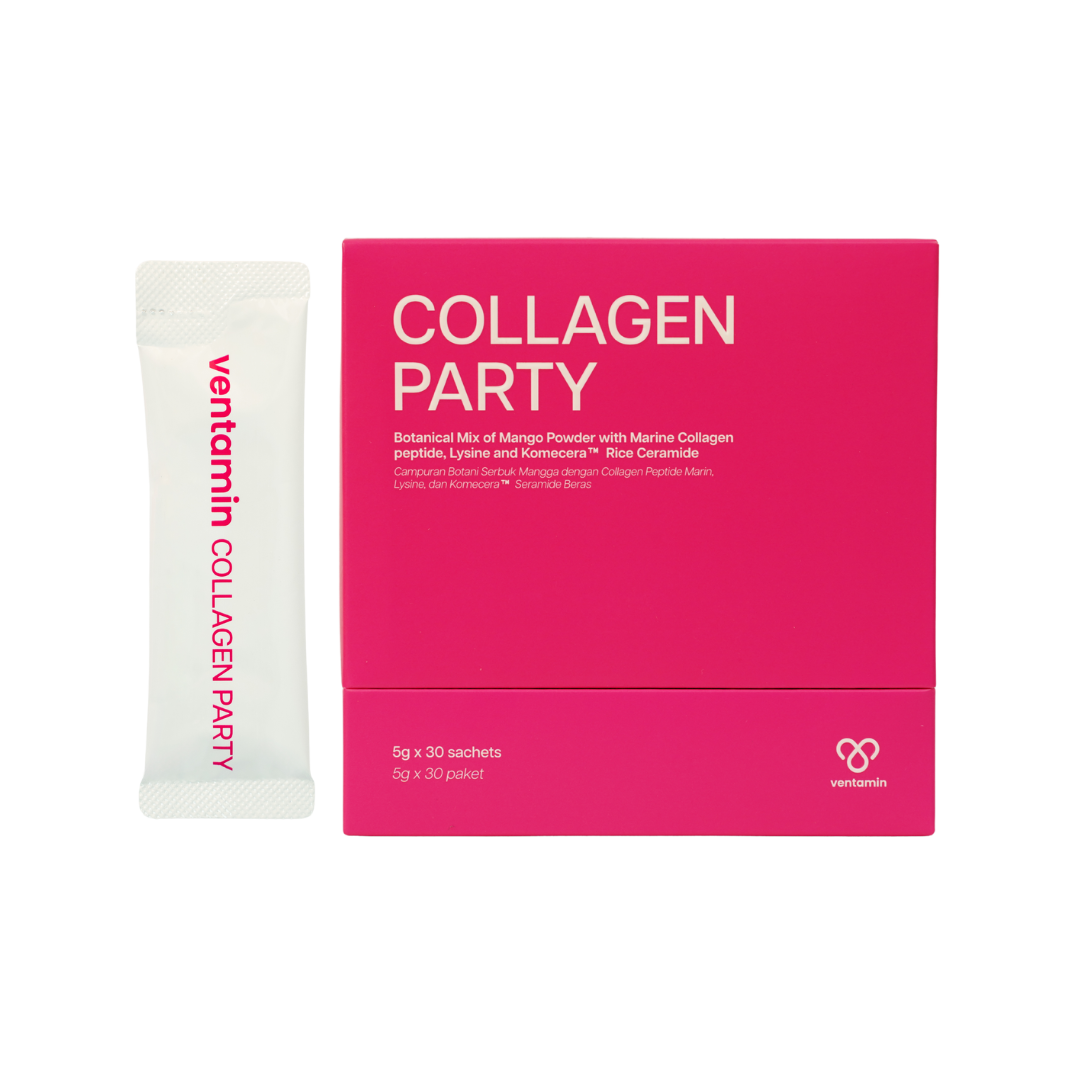
Ventamin Collagen Party provides a daily dose of marine collagen peptides formulated to support skin elasticity and firmness.
More collagen questions? Visit the Ventamin FAQ page.