
Melasma does not come back because you failed at skincare. It comes back because the underlying triggers are still there. UV, heat, hormones, visible light, inflammation, and barrier damage can all keep the pigment pathway active even after a good routine starts to work.
That is why a short-term mindset fails this condition. Melasma is chronic and relapse-prone, which means the goal is not to “clear it once.” The goal is to lower the triggers, calm reactivity, and build a routine that is realistic enough to keep using long term.
1. UV is still the baseline trigger
UV exposure is the clearest reason melasma rebounds. Even when you are indoors most of the day, incidental sun exposure adds up through walks, driving, windows, and quick errands. If sunscreen is inconsistent, the skin keeps receiving the signal to make more pigment.
What actually helps is boring, consistent protection: broad-spectrum sunscreen every morning, reapplication when outdoors, and habits that reduce direct exposure. A hat, shade, and planning your day around the sun may sound basic, but basic is what prevents recurrence. Melasma cares more about repetition than intensity.
2. Heat can keep the pigment cycle active
Heat is one of the most overlooked triggers. Cooking over a stove, hot yoga, saunas, tropical weather, and even long periods in a warm environment can make the skin look darker and more inflamed. Heat does not always create melasma from scratch, but it can make a stable patch look louder and harder to calm.
If your melasma changes with weather or exercise, that is a clue. Many people notice the pigmentation deepens after time in the kitchen, after a workout, or during humid months. The response is not to stop living. The response is to treat heat as part of the trigger management plan.
3. Hormones can turn a mild problem into a persistent one
Hormonal melasma is common because pigment cells can become more responsive during pregnancy, birth control use, perimenopause, or other hormonal shifts. This is why some people see melasma appear suddenly, then stubbornly stay even after the original hormonal window passes.
When hormones are part of the story, the skin often needs a maintenance plan rather than a one-time treatment. It may improve, fade, and then return if the environment changes again. That is not a sign that treatments “do not work.” It is a sign that the condition is linked to a broader biological pattern.
4. Visible light and blue light can add to the problem
Most people know UV matters. Fewer people realize that visible light can also worsen pigmentation, especially in deeper skin tones and melasma-prone skin. This is one reason tinted sunscreen can outperform plain SPF alone for some readers.
Screen exposure is not the same as direct sun, but it belongs in the broader “visible light” conversation. If you sit near windows, spend long hours under bright indoor lighting, or work on screens all day, the point is not panic. The point is to stop assuming that “I barely went outside” means “my skin was protected.”
5. Inflammation keeps the wound open
Inflammation is one of the easiest ways to make pigmentation more reactive. Too many acids, aggressive scrubs, harsh peels, and poorly timed procedures can irritate the skin and leave the pigment pathway more active than before. That is why some people feel like they “treated” their melasma but ended up with more stubborn patches later.
This is also where patience matters. A calmer skin barrier often looks less dramatic than an aggressive routine, but it usually ages better and relapses less. If your skin stings, burns, peels, or stays red often, that is not progress. That is a sign the routine needs to be gentler.
6. Stress can indirectly make melasma look worse
Stress is not the only cause, and it is not a magic explanation for everything. But stress changes routines, sleep, inflammation, and consistency. It also makes people more likely to skip sunscreen, overdo actives, or give up too early. In that way, stress becomes a practical trigger even when it is not the root cause.
The real benefit of naming stress is that it helps you design around it. Keep the morning routine simple. Keep the night routine repeatable. Do not build a plan that requires perfect motivation. Melasma rewards systems, not emotional energy bursts.
7. Why a support product like Light Up fits here
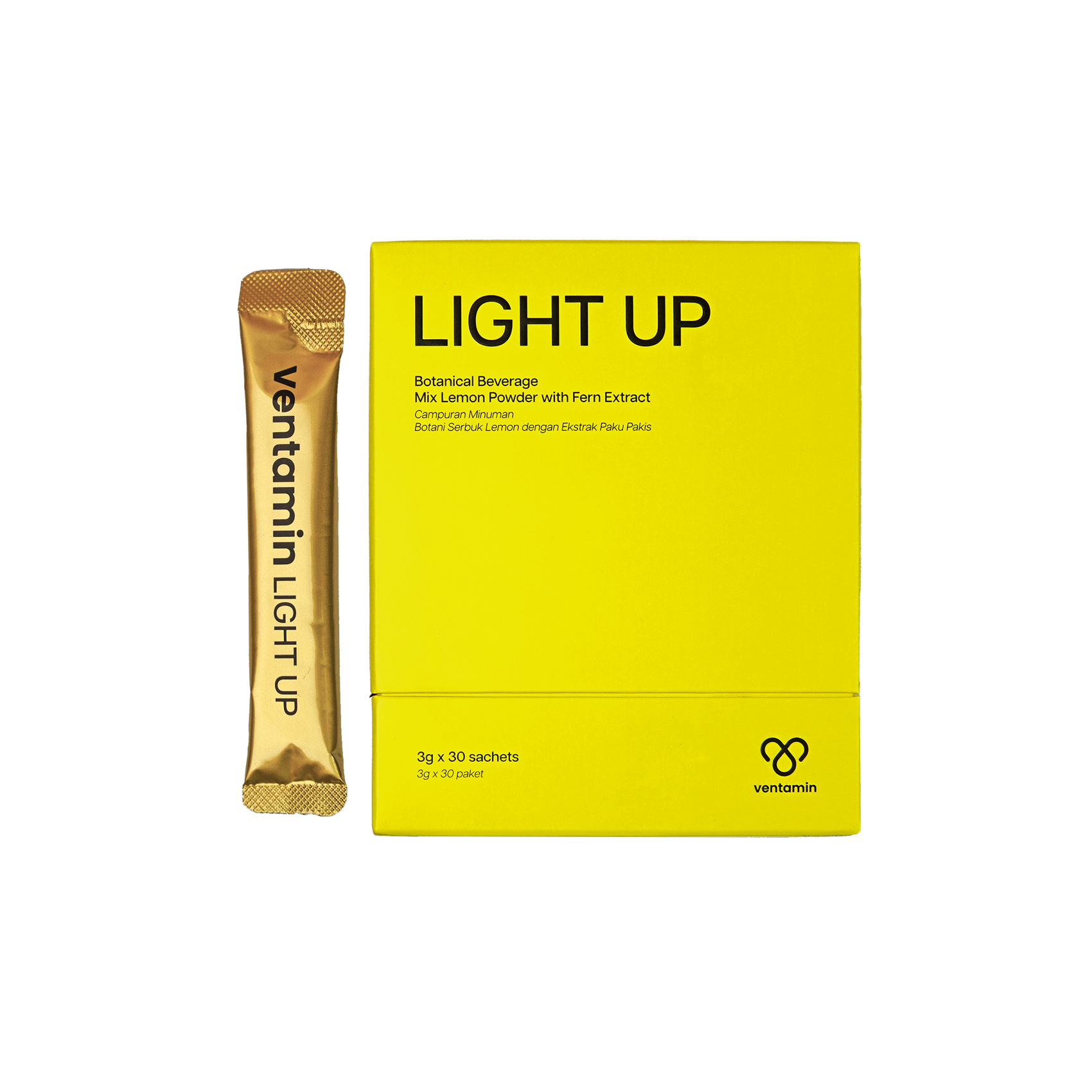
Topicals can help, but they do not solve the full trigger environment. That is why readers often want a support step that feels simple enough to use every day. Light Up fits this role as the internal support piece in a melasma plan built around sunscreen, gentle skincare, and long-term maintenance.
The point of Light Up is not to replace the basics. The point is to give the reader a better chance of staying consistent with a routine that already addresses UV, heat, visible light, and inflammation. If the outside triggers keep getting managed, the inside support has room to matter more.
What a better anti-relapse routine looks like
- Use sunscreen daily, even on low-exposure days.
- Choose tinted protection when visible light is part of your pattern.
- Reduce heat exposure where possible.
- Keep the skin barrier calm.
- Use one support product consistently instead of switching every week.
That is the real answer to melasma relapse. Not a miracle ingredient, and not a new panic cycle every time the patch darkens. It is a stable routine that keeps the triggers from winning.
When to escalate
If your melasma is spreading fast, changing shape, or reacting unpredictably, it is worth seeing a dermatologist to confirm the diagnosis and discuss whether you need a prescription, in-office procedure, or a different maintenance strategy. The goal is not to self-diagnose forever. The goal is to make the condition manageable.
CTA: Buy Light Up
Light Up is the easiest way to keep the inside-out part of the routine simple. If you want to reduce relapse risk, the best place to start is a system you can actually repeat.