
Melasma, hyperpigmentation, and sun spots are often lumped together, but they are not the same thing. If you want the right routine, the right expectations, and the right support product, you need to know which one you are actually dealing with.
This matters for one reason: different pigmentation types relapse for different reasons. If you treat the wrong thing, you can do “all the right steps” and still feel like nothing changes.
Use this as a practical guide. You do not need a microscope. You need pattern recognition: where it shows, how it behaves, what triggers it, and whether it keeps returning.
Quick overview: what you are trying to label
| Condition | What it usually looks like | What it tends to do over time |
|---|---|---|
| Melasma | Patchy, often symmetrical facial discoloration | Improves, then returns when triggers return |
| Post-inflammatory hyperpigmentation | Marks where inflammation happened (pimples, irritation, friction) | Fades slowly if the cause stops |
| Sun spots | Discrete, well-defined spots | Accumulate over years; prevention is key |
1. Look at the pattern: patchy vs spotty
This is the fastest clue.
- Melasma often looks like a patch or cloud of pigment.
- Sun spots often look like distinct “dots” or islands.
- Post-inflammatory marks often trace the history of your skin (where acne or irritation occurred).
If you are seeing broad patches across cheeks or forehead that feel like they “move” or fluctuate, melasma is more likely.
2. Check symmetry: does it mirror on both sides?
Melasma is famous for symmetry: both cheeks, both sides of forehead, or a balanced-looking distribution. That is not a rule, but it is a strong clue.
Sun spots are often more random. Post-inflammatory marks follow where inflammation occurred, which is also usually less symmetrical.
3. Ask: did it appear after acne, irritation, or friction?
If a dark mark appears after:
- a pimple
- eczema flare
- scratching
- harsh products
- friction (mask rubbing, waxing, aggressive facial massage)
…then post-inflammatory hyperpigmentation is likely part of the story. The most important move is stopping the inflammation cycle. Brightening products help less if the trigger is still happening.
4. Does it get darker in summer (or after “normal” daylight)?
All pigmentation can worsen with UV exposure, but melasma tends to be especially reactive. Many people notice:
- worsening during sunny months
- worsening after travel
- worsening even when they did not “sunbathe”
If your pigmentation behaves like a weather report, think melasma or a melasma-like trigger profile.
5. Heat and visible light: the triggers people miss
Have you ever said: “I wasn’t even in the sun” and still saw pigmentation darken? That can be heat and visible light playing a role, especially for melasma-prone skin.
Practical triggers include:
- cooking over heat
- saunas / hot yoga
- outdoor exercise in heat
- driving in daylight
- bright indoor lighting for long hours
Sun spots and post-inflammatory marks can be influenced by UV, but melasma is often the most “multi-trigger” pattern, which is why it relapses.
6. Timeline clue: did it develop gradually over years?
If you notice discrete spots that slowly accumulate with age and sun exposure, sun spots become more likely. They are a sign of cumulative exposure, not necessarily a relapsing inflammatory condition.
Melasma can also develop over time, but it often has a relapse pattern: it can look better, then reappear with triggers.
7. Relapse test: does it fade, then come back in the same place?
This is the “melasma tell.” Many readers describe:
- fading after treatment
- then returning after one trip, one stressful month, or one season change
That is why melasma needs a maintenance mindset. You are not just “fading a stain.” You are managing a tendency.
Why treatment differs (and why one-size routines fail)
Even if the ingredients overlap, the strategy differs:
- Melasma often needs trigger control, sunscreen, visible-light protection, barrier support, and maintenance.
- Post-inflammatory hyperpigmentation improves best when you stop the inflammation source and keep the barrier calm.
- Sun spots respond best to prevention plus targeted fading over time.
One of the biggest mistakes people make is treating all pigmentation like one problem. They buy a random brightening product, use it for a few weeks, and expect every type of pigment to behave the same way. It does not.
Simple decision guide: which bucket are you in?
| Best match | Most likely condition | Best first focus |
|---|---|---|
| Patchy + symmetrical + relapses | Melasma | Maintenance + trigger control |
| Marks where acne/irritation was | Post-inflammatory hyperpigmentation | Stop inflammation + gentle routine |
| Discrete spots + gradual accumulation | Sun spots | Prevention + targeted fading |
Where Light Up fits
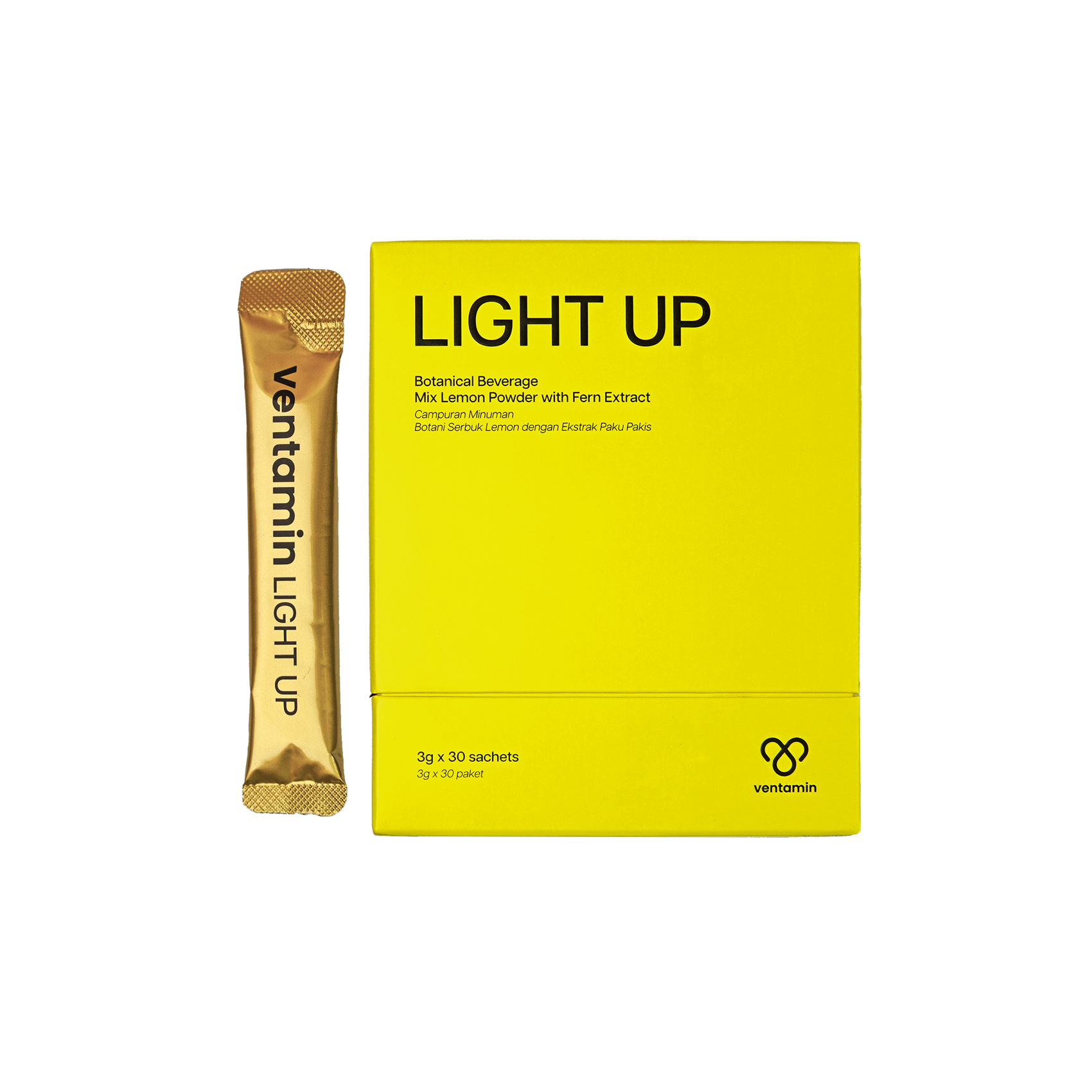
Light Up belongs in the inside-out support conversation for readers dealing with melasma, recurring hyperpigmentation, or stubborn pigment that does not stay away. It is not positioned as a cosmetic cover-up. It is positioned as part of the maintenance plan that sits alongside sunscreen and a calm topical routine.
How to choose the right plan
- If the pattern is patchy and keeps returning, think melasma.
- If the darkening follows a pimple or irritation, think post-inflammatory hyperpigmentation.
- If the spots are discrete and sun-driven, think sun spots.
- Use sunscreen no matter which one it is.
- Choose a support product that matches the relapse risk.
Once readers understand the difference, they stop wasting time on mismatched routines. That alone can save months of frustration.
CTA: Buy Light Up
If you want the simplest practical answer, this is it: melasma needs maintenance, hyperpigmentation needs the cause treated, and sun spots need prevention plus targeted support. Light Up fits best when pigmentation is stubborn, recurring, and part of a bigger long-term pattern.