
By Dr. Lim Ing Kien | Dermatologist & Founder, Ventamin
A pattern I see often in my clinic: a woman in her early 40s who hasn't had a pimple in 25 years suddenly starts breaking out. The acne shows up along her jawline, intensifies before her period, and resists every topical product she's tried. Nothing in her routine has changed. Her diet hasn't shifted. So why is her skin breaking out now?
The answer is almost always perimenopause. Here are the six mechanisms behind it.
1. Estrogen Drops Faster Than Testosterone
Perimenopause is characterized by declining estrogen levels. But testosterone also declines, just more slowly. The result is a relative androgen excess — testosterone makes up a larger proportion of your hormonal environment even though its absolute levels are decreasing.
This relative androgen excess drives the same hormonal acne pattern seen in younger women with hormonal imbalances, but emerging for the first time in your 40s. It's the same underlying mechanism as PCOS acne, just driven by a different hormonal cause.
2. Progesterone Declines, Leaving Estrogen Unopposed
Perimenopausal cycles often involve anovulation — cycles where no egg is released. When you don't ovulate, you don't produce significant progesterone in the second half of the cycle. This leaves estrogen unopposed, contributing to luteal-phase symptoms including premenstrual breakouts.
The cycle-to-cycle variability of perimenopause is part of why skin behavior becomes unpredictable.
3. Cortisol Rises With Sleep Disruption
Perimenopause commonly disrupts sleep — hot flashes, night sweats, anxiety, insomnia. Poor sleep elevates baseline cortisol, which drives sebum production and shifts hormones further toward androgens.
This is a compounding problem. The hormonal changes of perimenopause disrupt sleep, and the disrupted sleep amplifies the hormonal effects on skin.
4. The Gut Microbiome Shifts
Estrogen levels influence gut microbiome composition. As estrogen drops, microbiome diversity often decreases, and the estrobolome — the bacterial community that processes estrogen — becomes less functional. This contributes to further hormonal dysregulation and feeds into the inflammation that drives skin breakouts.
5. Skin Barrier Function Declines
Perimenopausal skin is structurally different. Lower estrogen means thinner skin, reduced collagen, slower healing, and a more vulnerable barrier. Active breakouts heal slower. Post-inflammatory marks linger longer. The same insult that would have left no trace at 25 leaves a visible mark at 45.
This means treatment has to be gentler. The aggressive topicals appropriate for teenage acne are inappropriate for perimenopausal skin — see common skincare mistakes for what to avoid.
6. Stress And Accumulated Life Factors Compound
The 40s often coincide with peak responsibility — career, parenting, aging parents, financial pressure. Chronic stress is at a lifetime high for many women during perimenopause. This is the same cortisol-driven acne pattern, now overlaying the hormonal shifts of perimenopause.
The Perimenopausal Acne Protocol
What works for this patient profile:
Topicals — gentle:
- Mild cleanser without sulfates.
- Low-strength adapalene or retinol, used 2-3x weekly initially.
- Ceramide-based moisturizer (essential for compromised barrier).
- Daily SPF 30+.
- Avoid aggressive acids, scrubs, and stripping products.
Inside-out:
- Probiotics for estrobolome support and inflammation reduction.
- Zinc for DHT suppression.
- Magnesium for sleep, stress, and PMS symptoms.
- B vitamins for hormonal metabolism.
Lifestyle:
- Prioritize sleep above almost everything else.
- Strength training to support metabolic health and bone density.
- Reduce alcohol, which disrupts perimenopausal sleep significantly.
- Address stress directly.
When To Discuss HRT
Hormone replacement therapy is increasingly recognized as appropriate for many perimenopausal women, with cardiovascular, bone, and quality-of-life benefits. For some patients, HRT also improves skin substantially by restoring estrogen levels.
If you're experiencing significant perimenopausal symptoms — hot flashes, night sweats, mood changes, sleep disruption, vaginal dryness, alongside the acne — talk to a doctor who specializes in menopause management about whether HRT is appropriate for you. This is a personal medical decision that depends on your individual risk profile.
Even when HRT is appropriate, the inside-out work I've described still applies. The two approaches complement each other.
The Timeline For Improvement
Perimenopausal acne responds slower than acne in younger women because the hormonal environment is in flux. Expect:
- Months 1-3: Reduced inflammation. PMS symptoms soften.
- Months 3-6: Visible reduction in cyclical breakout severity.
- Months 6-12: Stable improvement with consistent maintenance.
The Reassurance
Perimenopausal acne is treatable. It's not a permanent change you have to accept. But it requires acknowledging that your skin is in a different life stage and needs different support than it did at 25. Gentler outside, more supportive inside.
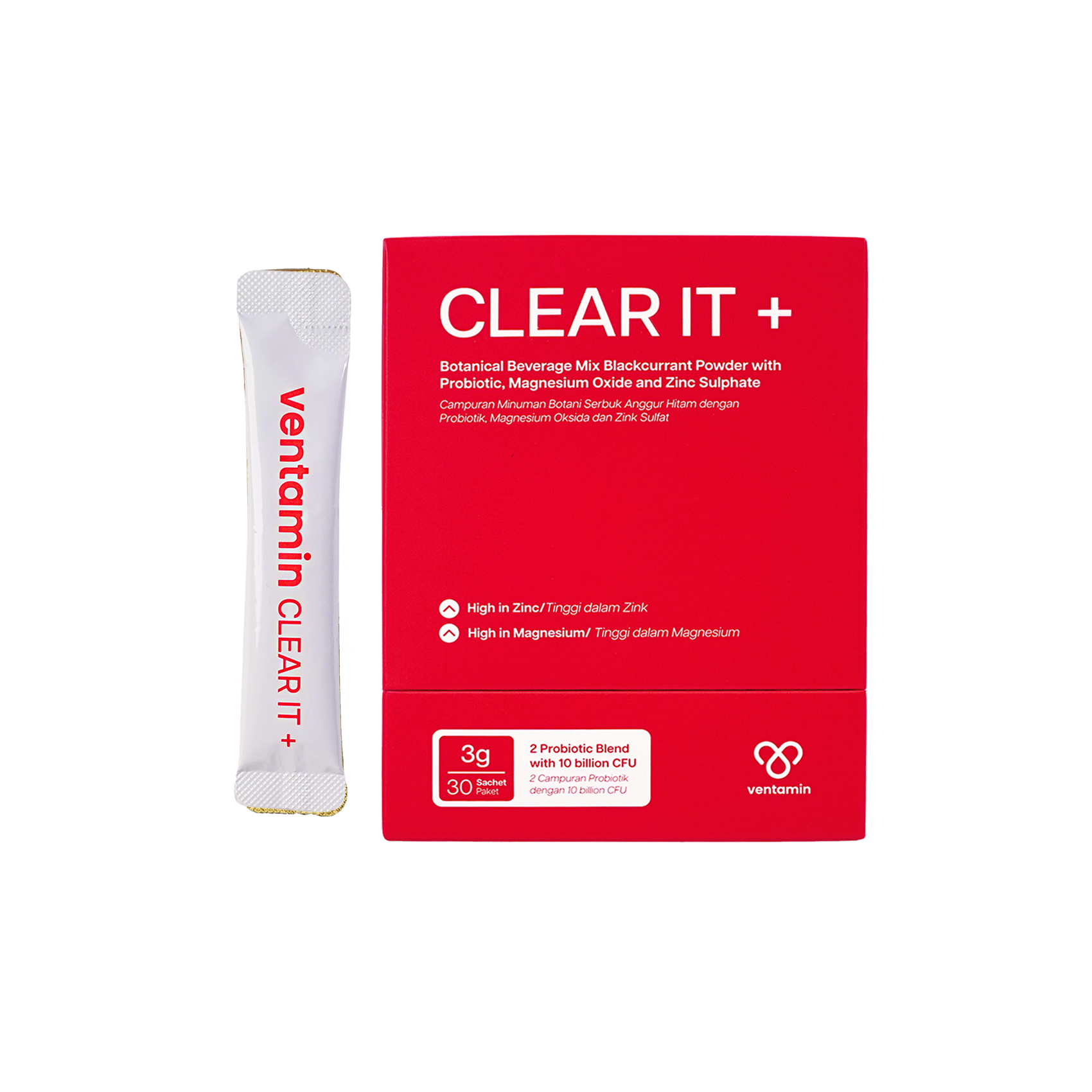
Clear It+ was designed for adult women specifically, including those navigating perimenopause. The formula addresses the estrobolome, hormone regulation, mineral status, and inflammation that perimenopausal skin requires.