
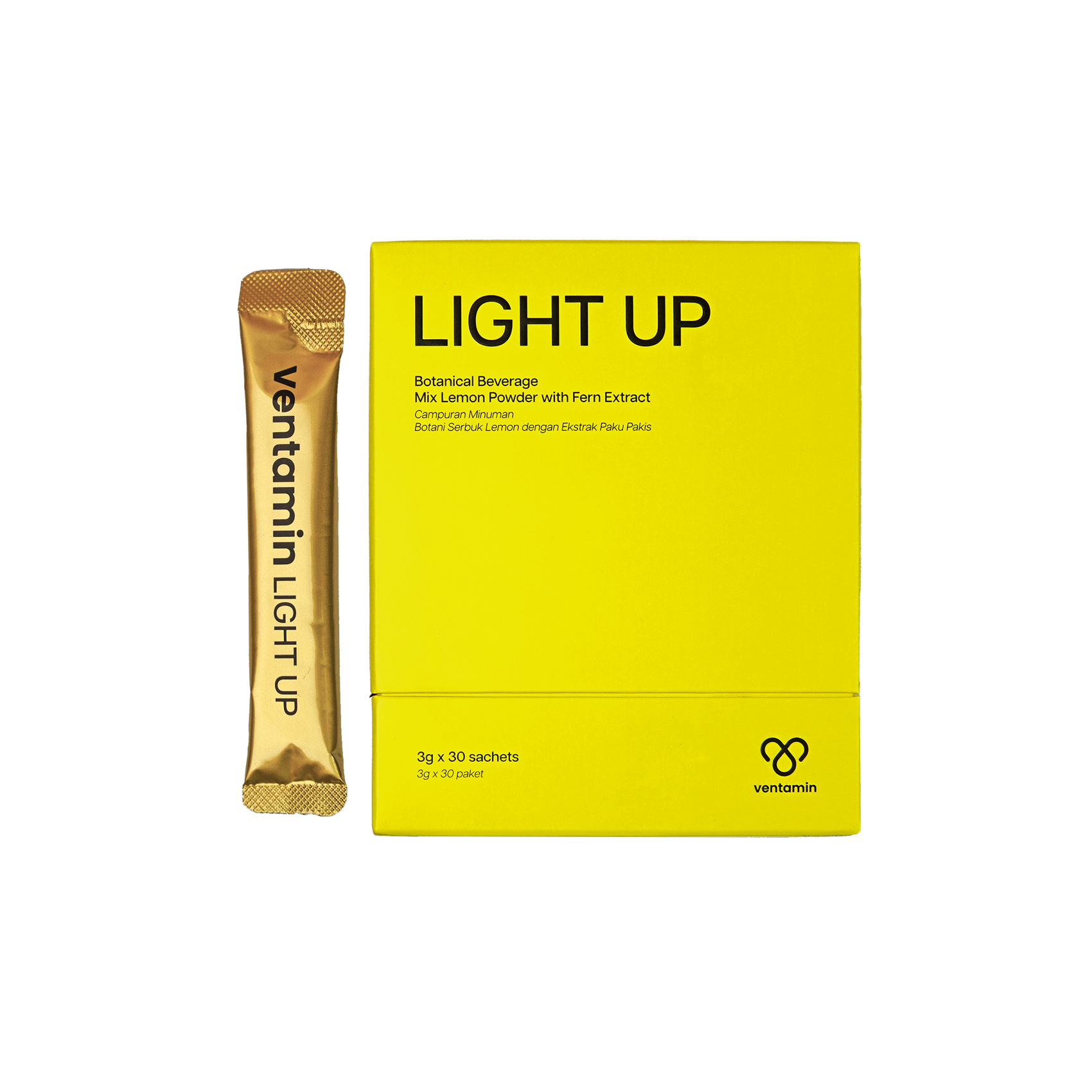
The ingredients that make Light Up useful are not interesting because they are trendy. They are interesting because they fit the inside-out pigmentation strategy that chronic melasma and relapse-prone hyperpigmentation often need.
When people ask, “What is inside drinkable skincare?” they are usually asking two questions:
- Does this formula make sense for my pigmentation triggers?
- Is this positioned for long-term support, or is it another quick-fix promise?
This article breaks down the core roles of Light Up’s key ingredients in plain language. The goal is not to sound scientific. The goal is to make the formula understandable enough that it fits into a realistic routine: sunscreen, gentle topical care, and a repeatable internal support step.
Why ingredient roles matter more than ingredient names
In pigmentation support, the label is less important than the job each ingredient is doing. The same ingredient can be marketed as “brightening,” “anti-aging,” or “skin defense” depending on the brand, but your skin is dealing with a real-world mix of triggers:
- UV exposure (including short daily exposure)
- visible light exposure (for some pigment patterns)
- heat and inflammation
- irritation from over-treatment
- relapse patterns that need maintenance
A good formula is not one where every ingredient claims to do everything. A good formula is one where each ingredient has a clear role that matches the problem you are actually trying to manage.
The inside-out pigmentation idea (what it means)
Inside-out support does not mean “skip topical skincare.” It means acknowledging that pigmentation is not only a surface stain. Pigmentation can be influenced by inflammation, oxidative stress, and daily environmental stressors. Inside-out support is designed to:
- support your skin’s ability to handle triggers,
- reduce the relapse-prone environment,
- make the routine easier to stick to long enough to matter.
If you have ever improved your pigment and then watched it return, you already understand why maintenance matters more than hype.
Ingredient 1: Pine bark extract (antioxidant support)
Pine bark extract is often discussed in antioxidant support conversations. That matters for pigmentation-prone readers because many pigment patterns are not just about “melanin on the surface.” They are also about what keeps pigment pathways active and reactive under environmental stress.
In practical terms, pine bark extract supports the “defense” framing of the formula. It is not meant to replace sunscreen. It is meant to support the routine that includes sunscreen by improving resilience and reducing the feeling that one missed step ruins everything.
Why that matters: if a routine feels fragile, people quit. If it feels supported, people stay consistent.
Ingredient 2: Fern extract (photoprotection-adjacent support)
Fern extract is frequently mentioned in the context of skin defense under light exposure. This is relevant for melasma and stubborn pigmentation because many readers experience flare-ups even when they are “not in direct sun.”
Remember: daily exposure includes:
- walking to your car
- driving in daylight
- sitting near windows
- outdoor heat and bright light
Fern extract fits the concept of supporting skin under light-related stress. Again, the keyword is support. It helps the formula make sense inside a melasma routine rather than a generic “brightening” routine.
Ingredient 3: L-cysteine (precursor and pathway support)
L-cysteine is often discussed in precursor support contexts. In pigmentation conversations, readers care about this because they are looking for a formula that feels like it addresses the inside-out reality: pigment pathways, ongoing triggers, and relapse patterns.
From a routine perspective, the value is also behavioral: L-cysteine is part of a formula designed to be taken consistently. Consistency is not a bonus feature. It is the requirement. You do not “win” pigmentation support with a product you only remember twice a week.
How these three ingredients work together (the real reason the formula is interesting)
Instead of thinking “three ingredients, three claims,” think “three roles in one system”:
- Antioxidant support to help reduce the overall stress environment.
- Light-defense support to match the relapse reality of melasma-prone routines.
- Precursor/pathway support to fit the inside-out maintenance philosophy.
This is why the formula is positioned the way it is. It is not designed as a quick cosmetic “brightening pill.” It is designed as a maintenance support product that sits alongside sunscreen and gentle topical care.
Where people go wrong when they shop ingredients
Common mistakes:
- Buying ingredients, not a plan: no sunscreen, no routine consistency.
- Over-exfoliating: irritation keeps pigmentation active.
- Expecting fast results: pigment patterns often improve slowly.
- Quitting at 2–3 weeks: you never see the trend.
Ingredients matter, but ingredients cannot outwork a routine that is inconsistent or inflammatory.
Simple decision guide: is Light Up a fit for your pigment pattern?
| If you’re dealing with… | Light Up fits best when… |
|---|---|
| Melasma that relapses | You want maintenance support and a more stable long-term plan |
| Hyperpigmentation that keeps returning | You are addressing triggers and want an inside-out support step |
| Occasional marks that fade on their own | You may prioritize trigger control and topical consistency first |
| Highly reactive skin | You want support while keeping topicals gentle |
Where Light Up fits the melasma routine
Light Up belongs in the article because the ingredient story is the product story. The formula is meant to support a melasma routine that also includes sunscreen, gentle topicals, and realistic expectations.
When you explain the ingredients clearly, the CTA becomes easier to trust because it feels like the next logical step in the routine, not a random interruption.
What readers should remember
- Antioxidant support matters because pigmentation is not just surface deep.
- Support for light-related stress helps match real melasma triggers.
- Precursor/pathway support can fit a maintenance strategy.
- Simple daily use improves adherence.
- The formula is best understood inside a larger routine.
CTA: Buy Light Up
The ingredients matter because they help the product fit chronic pigmentation care, not because they promise a miracle.