
Melasma is one of the most stubborn skin conditions to treat — and one of the most common among women in Malaysia, Singapore, the Philippines, and across Southeast Asia. Unlike post-acne marks that fade with time, melasma is driven by a complex interplay of hormones, UV damage, inflammation, and vascular changes. A single ingredient rarely tells the whole story.
"Melasma isn't just a pigment problem. It's also a vascular problem, a hormonal problem, and often an inflammation problem all at once. That's why we need actives that target different pathways simultaneously."
Three ingredients have risen to the top of the evidence hierarchy: Azelaic Acid, Alpha Arbutin, and Tranexamic Acid. Each works differently. Each suits a different skin type and melasma profile. And when layered thoughtfully — especially alongside inside-out nutrition — the results can be transformative.
Not sure whether you have melasma or another form of pigmentation? Read our guide first: 7 Ways to Tell If You Have Melasma, Hyperpigmentation or Sun Spots.
How Melasma Forms (And Why It's So Hard to Treat)
Melanin — the pigment responsible for those brown, grey, or blue-tinged patches — is produced by melanocytes in your skin's basal layer. In melasma, these cells become chronically overactivated by UV light, heat, oestrogen (common triggers: pregnancy, oral contraceptives, hormonal IUDs), and local inflammation and abnormal blood vessel activity beneath the skin.
This is why the most effective brightening actives target more than just melanin production. The best strategies attack the problem from multiple angles: reducing enzyme activity, dampening inflammation, blocking vascular signalling, and protecting the skin barrier. In tropical climates like Malaysia and Singapore — where UV index is consistently high year-round — this multi-pathway approach is especially critical.
Ingredient 01: Azelaic Acid
A naturally occurring dicarboxylic acid found in grains like wheat, barley, and rye, Azelaic Acid has a multi-tasking profile that makes it one of the most underrated brightening ingredients in dermatology. It selectively inhibits tyrosinase — the key enzyme in melanin synthesis — but crucially, it targets overactive melanocytes without disrupting normal pigment cells. This selectivity makes it safe for all skin tones, including the medium-to-deep complexions common in Southeast Asia and the Middle East.
Beyond brightening, Azelaic Acid is anti-inflammatory, comedolytic, and antimicrobial — which is why it's also used for rosacea and acne. For melasma patients with concurrent sensitivity or redness, this dual-action profile is particularly valuable.
Best for: Sensitive or reactive skin, rosacea-prone skin, darker skin tones, long-term daily use. Available OTC at 10%; prescription 20% for stubborn cases.
Results timeline: 8–12 weeks of consistent use.
Ingredient 02: Alpha Arbutin
Alpha Arbutin is a glycosylated hydroquinone derivative — a stabilised, gentler cousin of hydroquinone that slowly releases its active form without the risk of ochronosis (bluish-black discolouration) associated with long-term hydroquinone use. It competitively inhibits tyrosinase and also interferes with the maturation and transfer of melanosomes — the tiny packages that deliver pigment to skin cells.
At concentrations of 1–2%, Alpha Arbutin delivers reliable, evidence-backed brightening with an excellent safety profile. It pairs beautifully with Vitamin C and Niacinamide, targeting complementary points in the melanogenesis cascade.
Best for: Moderate hyperpigmentation, hydroquinone-sensitive skin, everyday brightening serum use. Pairs well with Vitamin C for a compounding brightening effect.
Results timeline: 4–8 weeks.
Ingredient 03: Tranexamic Acid
Originally a haemostatic agent used in surgery, Tranexamic Acid has emerged as one of the most exciting developments in melasma treatment — both topically and orally. Topically at 2–5%, it blocks the UV-triggered release of arachidonic acid that normally stimulates melanin production, and significantly reduces the abnormal blood vessel proliferation beneath melasma patches — the vascular component that other brighteners largely ignore.
Oral Tranexamic Acid (125–250mg twice daily, under medical supervision) has shown 50–60% improvement in MASI scores in clinical trials — often outperforming conventional topical monotherapies. Its dual topical-and-oral availability makes it uniquely powerful for moderate-to-severe or recurrent melasma.
Best for: Moderate-to-severe melasma, vascular melasma, post-inflammatory hyperpigmentation, or cases that have plateaued on other treatments. Oral use requires a dermatologist's prescription.
Results timeline: 4–8 weeks topically; 2–4 weeks orally.
Side-by-Side Comparison
| Feature | Azelaic Acid | Alpha Arbutin | Tranexamic Acid |
|---|---|---|---|
| Primary mechanism | Selective tyrosinase inhibition + anti-inflammation | Tyrosinase inhibition + melanosome transfer block | Keratinocyte-melanocyte signalling + anti-vascular |
| Best melasma type | Inflammatory, redness-associated | Moderate, generalised pigmentation | Vascular, stubborn, severe |
| Irritation potential | Low | Very Low | Low |
| Safe for darker skin tones | Yes ✓ | Yes ✓ | Yes ✓ |
| Available as oral | No | No | Yes (Rx) |
| Addresses vascular component | Partially | No | Yes ✓ |
| Typical results timeline | 8–12 weeks | 4–8 weeks | 4–8 weeks topical / 2–4 weeks oral |
| Pairs well with | Niacinamide, gentle retinol | Vitamin C, Niacinamide | All three above + SPF |
| Sensitive skin suitability | Excellent | Very Good | Good |
| Addresses inflammation | Strong ✓ | Mild | Moderate |
Which Ingredient Is Right for You?
Sensitive or reactive skin: Start with Azelaic Acid at 10%. Its anti-inflammatory action makes it ideal if your skin flushes easily or you have concurrent rosacea — common in women with hormonal melasma across Southeast Asia.
Moderate pigmentation: Alpha Arbutin as your daily serum. Low irritation, visible results by week 4–8, and excellent for layering under SPF — essential in high-UV climates like Malaysia and Singapore.
Stubborn or severe melasma: Discuss Tranexamic Acid (topical or oral) with your dermatologist. Particularly effective for vascular melasma and for cases that have not responded to tyrosinase inhibitors alone.
Best overall strategy: Layer all three and add inside-out support. Topical actives work best when supported by nutrition that targets melanogenesis at the systemic level.
The Inside-Out Piece: Why Topicals Alone Often Aren't Enough
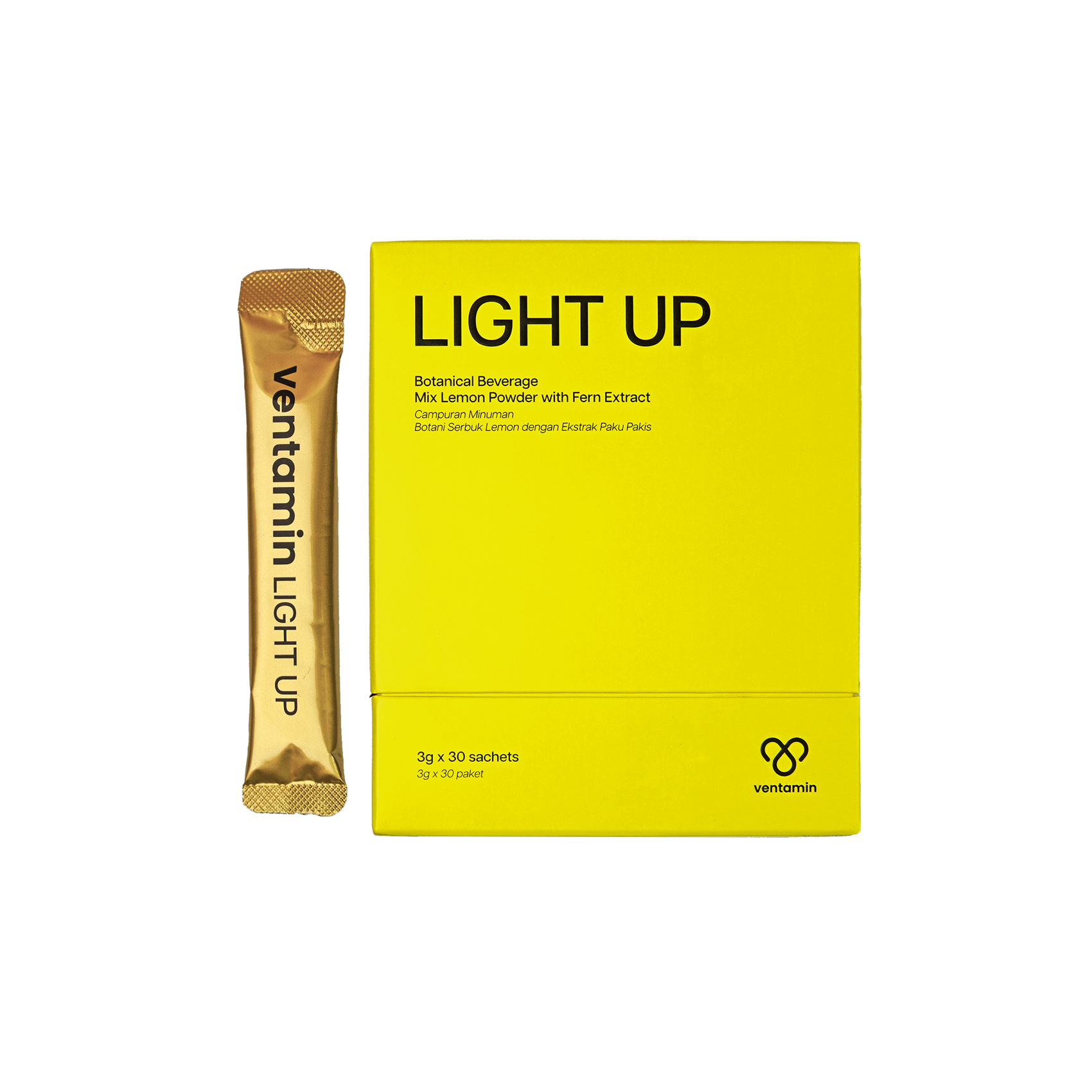
Topical actives treat the surface — but melasma's triggers (hormones, UV damage, systemic inflammation) originate from within. This is why, as a dermatologist, I formulated Ventamin Light Up as the ingestible complement to your topical routine.
Light Up contains clinically studied ingredients including high-dose Glutathione (master antioxidant that inhibits eumelanin system-wide), Vitamin C that works synergistically with topical Alpha Arbutin, and Polypodium leucotomos — an evidence-backed oral photoprotective extract proven to reduce UV-triggered melanin activation.
Think of it this way: topicals are your frontline defence. Light Up is the reinforcement that works while you sleep, eat, and go about your day — reaching melanocytes from the inside out, targeting the pathway your creams can't reach.
Want to understand why creams alone often plateau? Read: Why Topical Creams Alone Sometimes Fail for Melasma.
The Bottom Line
All three ingredients are legitimate, evidence-backed tools for melasma — but the best choice depends on your melasma type, skin sensitivity, and whether vascular involvement is a factor. For most people, a layered multi-ingredient approach wins every time over single-ingredient therapy.
And whatever topical routine you build, remember: daily broad-spectrum SPF50+ remains the single most important factor in preventing melasma recurrence — particularly in tropical Southeast Asian climates where UV exposure is year-round and unavoidable.
Finally, don't leave the inside-out piece unaddressed. Ready to add ingestible brightening to your routine? Shop Ventamin Light Up →
Related Reading
- 7 Ways to Tell If You Have Melasma, Hyperpigmentation or Sun Spots
- 5 Reasons Melasma Comes Back — and the Best Drinkable Skincare Solution
- Why Topical Creams Alone Sometimes Fail for Melasma
About the author: Dr. Lim Ing Kien (Dr. Ingky) is a practising dermatologist and co-founder of Ventamin. She specialises in pigmentation disorders and evidence-based skincare, and has over 3 million social media followers across Southeast Asia.