
Can Vitamin C Remove Melasma?
Vitamin C can meaningfully reduce the appearance of melasma — but it works differently depending on whether you apply it topically or take it orally, and it is most effective as part of a multi-ingredient protocol rather than a standalone solution.
How Vitamin C Affects Melasma
Vitamin C (ascorbic acid) works against melasma through two primary mechanisms:
- Tyrosinase inhibition — Vitamin C interferes with the enzyme tyrosinase, which is responsible for converting tyrosine into melanin. By blocking this step, it reduces the amount of new pigment produced.
- Antioxidant protection — UV exposure generates reactive oxygen species (free radicals) that stimulate melanocyte activity. Vitamin C neutralises these free radicals, reducing the UV-driven component of melasma.
A 2013 study in the Journal of Clinical and Aesthetic Dermatology found that topical vitamin C significantly reduced melasma severity scores after 16 weeks of daily use.
Topical Vitamin C vs. Oral Vitamin C for Melasma
Topical vitamin C is the most studied form. L-ascorbic acid at concentrations of 10–20% applied in the morning under sunscreen is the most evidence-backed approach. However, vitamin C is notoriously unstable — it oxidises rapidly when exposed to light and air, and many formulations have delivered disappointing results because the active ingredient degraded before reaching the skin.
Oral vitamin C works differently and, in some ways, more reliably. When taken internally, it circulates systemically and delivers antioxidant protection throughout the body, including within the skin at the level of the dermis — a layer that topical application rarely reaches effectively.
Oral vitamin C is most effective for melasma when combined with other brightening actives such as tranexamic acid and glutathione. This combination approach targets multiple steps in the melanogenesis pathway simultaneously.
What Vitamin C Cannot Do
- It cannot remove existing deep dermal pigmentation on its own
- It will not prevent UV-triggered flares if you are not wearing SPF consistently
- It will not work for hormonal melasma if the hormonal trigger is not addressed
How to Use Vitamin C Effectively for Melasma
- Topical: Apply a stable L-ascorbic acid serum (10–20%) every morning before SPF 50+. Store in a dark, cool place and replace every 2–3 months.
- Oral: Consider a brightening supplement that combines vitamin C with tranexamic acid and glutathione for systemic melanin suppression.
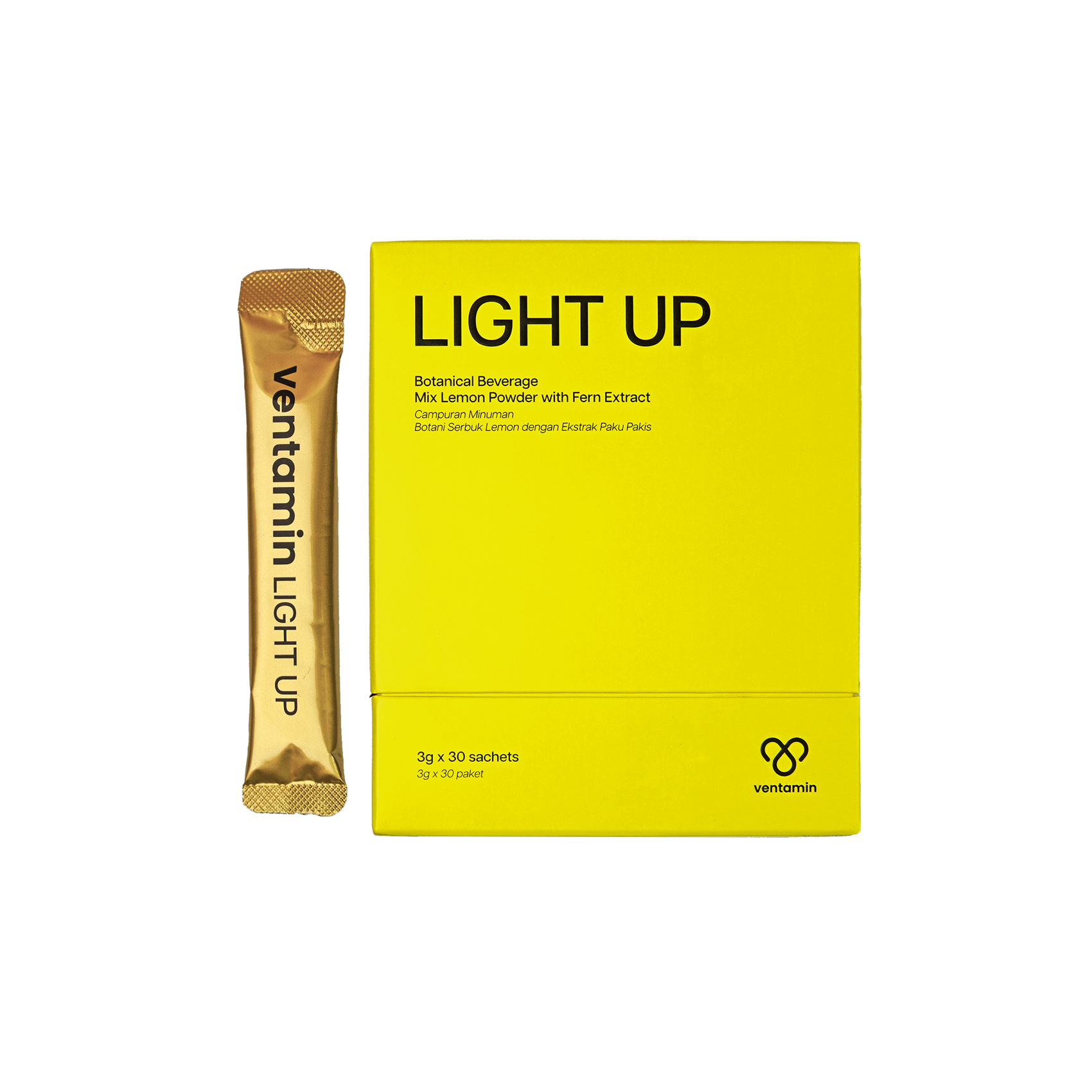
- Combination approach: Ventamin Light Up was formulated with this multi-pathway thinking in mind — using a blend of ingredients that together address pigmentation more comprehensively than vitamin C alone.
Realistic Expectations
With consistent use, vitamin C can visibly lighten existing patches of melasma and prevent new darkening within 8–12 weeks. It will not produce overnight results, and it will not work in isolation if SPF is inconsistent or hormonal triggers are unaddressed.
For more answers to common melasma questions, visit the Ventamin FAQ page.