
Is Heliocare Good for Melasma?
Heliocare can be a useful addition to a melasma management routine, but it is not a treatment for melasma on its own — and understanding what it actually does will help you use it correctly.
What Is Heliocare?
Heliocare is a branded oral photoprotection supplement whose active ingredient is Fernblock® — a standardised extract of Polypodium leucotomos fern. Polypodium leucotomos is a fern native to Central and South America that has been studied for its ability to reduce UV-induced skin damage when taken orally.
What the Evidence Shows
Several clinical studies have examined Polypodium leucotomos extract for melasma specifically:
- A 2004 study in the Journal of the American Academy of Dermatology found that oral Polypodium leucotomos significantly reduced melasma area and severity compared to placebo over 12 weeks.
- A 2010 study confirmed reductions in MASI (Melasma Area and Severity Index) scores in women with facial melasma.
The mechanism: Polypodium leucotomos extract reduces UV-induced reactive oxygen species, inhibits matrix metalloproteinase activity, and modulates the immune response in skin — all of which contribute to reducing melanocyte stimulation.
The Limitations of Heliocare for Melasma
Heliocare is not a replacement for topical sunscreen. Studies repeatedly show it reduces UV-induced skin changes but does not block UV the way SPF does. The FDA explicitly classifies oral sunscreen supplements as not proven to work as a sunscreen.
More importantly, Heliocare does not:
- Inhibit tyrosinase (the enzyme that produces melanin)
- Reduce existing pigmentation
- Address hormonal triggers of melasma
How Heliocare Compares to Targeted Oral Brightening Supplements
If your goal is both photoprotection and active brightening, a supplement that combines Polypodium-style antioxidant protection with direct melanin-inhibiting ingredients — such as tranexamic acid, alpha arbutin, or glutathione — will address more of the melasma pathway than Heliocare alone.
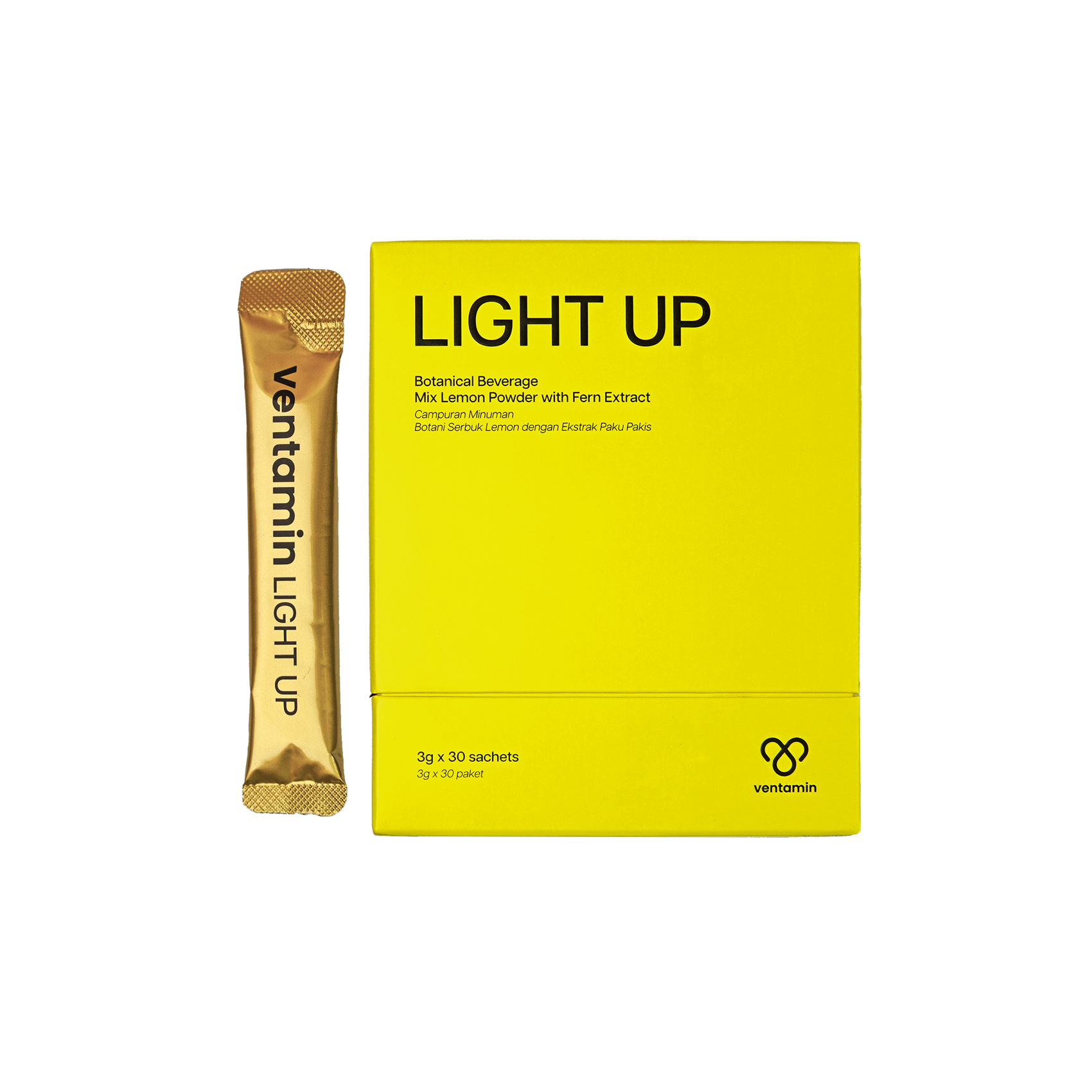
Ventamin Light Up takes this multi-mechanism approach, targeting both the oxidative stress component and the tyrosinase pathway for more comprehensive melasma support.
Should You Take Heliocare for Melasma?
If you are looking for additional photoprotection alongside your SPF routine, Heliocare is a reasonable addition — particularly if you spend a lot of time outdoors. However, for active brightening and melasma treatment, it should be combined with evidence-based brightening ingredients, not relied upon alone.
More questions about which supplements work for melasma? Visit the Ventamin FAQ page.