
Regular collagen supplements often fail for one simple reason: they treat collagen like a single-ingredient shortcut.
But collagen synthesis is a process, not a scoop. Your body needs:
- usable collagen peptides,
- supportive amino acids that reinforce the building workflow,
- and an environment that doesn’t constantly break collagen down (UV, inflammation, poor sleep).
When those cofactors are missing, the result is common: you take collagen, you feel hopeful, and then you quietly conclude it didn’t do much.
This article explains what those “critical cofactors” really are (in human language), why they matter, and how to choose a collagen strategy that actually has a chance of showing up in the mirror.
Read to the end for a simple decision guide to identify whether your main issue is missing cofactors, missing consistency, or missing protection. Most people assume it’s the first when it’s actually the third.
What “cofactors” means in the collagen world
In this context, cofactors are supportive components that help the body execute collagen formation and stabilization more effectively. Think of it like building a house:
- Collagen peptides are the bricks.
- Cofactors are the mortar, tools, and structural supports that make the bricks become a stable wall.
You can have bricks and still build a weak structure if the rest is missing.
Why “just collagen” can be incomplete for skin results
When you ingest collagen, it gets digested into peptides and amino acids. Those fragments can be used anywhere in the body. Skin is not always the top priority. So for skin results, you want a strategy that supports:
- reliable absorption,
- clear building signals,
- structural stability,
- and low breakdown.
Many regular collagen products focus only on intake.
Critical cofactors people overlook (and why they matter)
1. L-Proline
Proline is a key amino acid in collagen structure. Supporting proline availability helps reinforce the structural building process.
2. L-Lysine
Lysine supports collagen stability and cross-linking. Stability matters because weak collagen is less useful collagen.
3. Barrier and recovery cofactors (behavioral)
These aren’t “ingredients,” but they are cofactors in the real-world sense:
- Daily sunscreen: prevents collagen breakdown.
- Sleep stability: gives the body time to repair.
- Low irritation skincare: keeps inflammation lower so texture looks better.
This is where most people lose: they add collagen but don’t add protection.
The hidden cofactor: adherence
The most important cofactor is the one no label can sell you: daily consistency.
If a product is unpleasant, inconvenient, or hard to tolerate, you will not take it long enough. And collagen outcomes require time.
Where Collagen Party fits
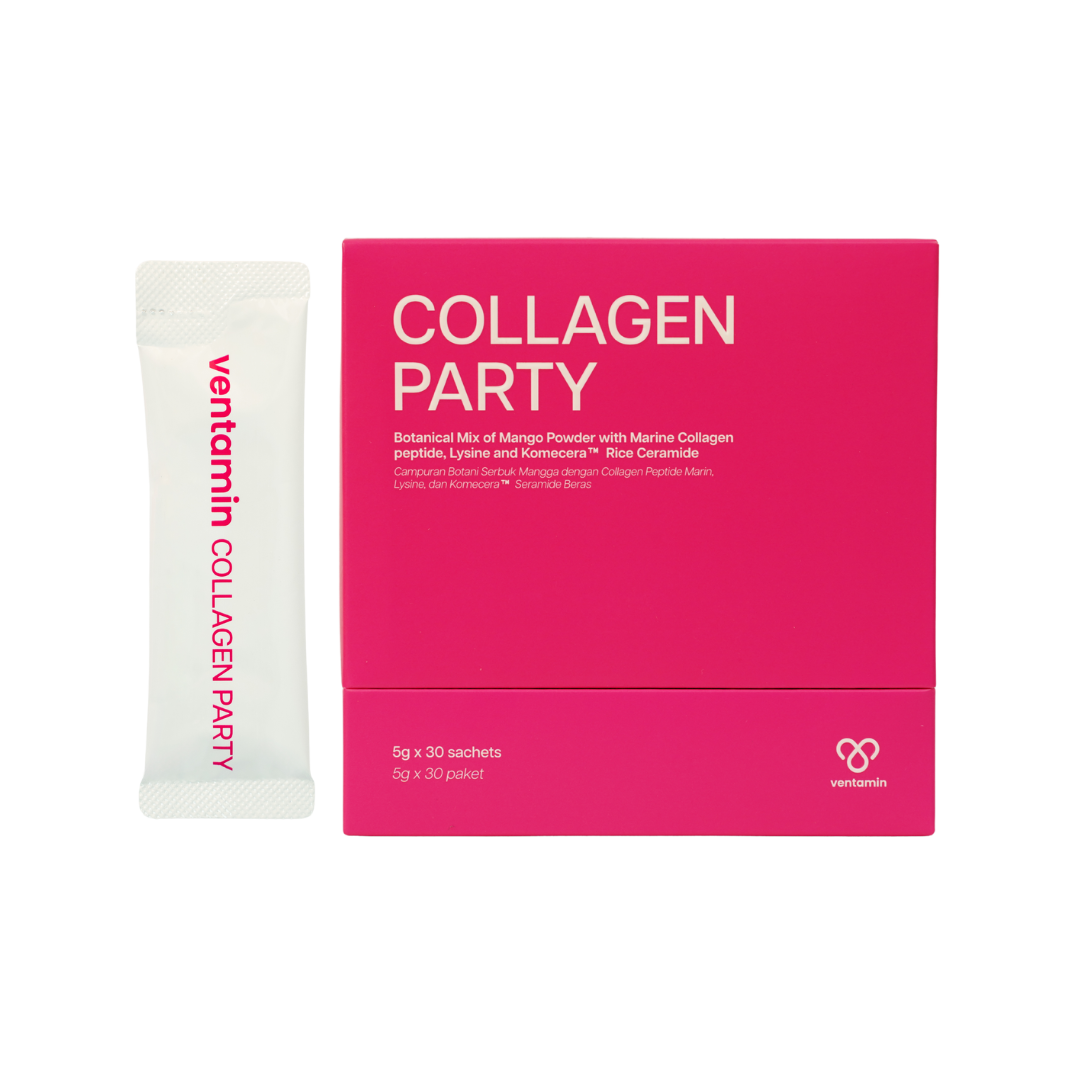
Collagen Party is designed around the “cofactor problem”: not just collagen peptides, but supportive amino acids that reinforce the collagen-building workflow, in a format designed for daily adherence.
But it still needs the external cofactors: sunscreen, a calm barrier, and reasonable recovery.
Simple decision guide: what’s actually missing in your collagen plan?
| Your experience | Most likely missing piece | Do this first |
|---|---|---|
| “I took collagen but nothing changed after 2–4 weeks” | Timeline | Commit 84 days and track weekly |
| “I’m consistent but results are weak” | Incomplete support / cofactors | Use a function-first formula (peptides + supportive amino acids) |
| “Results appear then disappear” | Breakdown winning | Daily sunscreen + reduce irritation + stabilize sleep |
| “I keep quitting” | Adherence | Choose the easiest daily habit you can sustain |
The “secret number” that makes cofactors matter
The number is 84 days.
Most people never reach day 84. So they never get the payoff, and cofactors never get a chance to matter. If you want real results, build a plan you can do for 84 days, then protect what you’re building.
FAQ
Do I need vitamin C as a cofactor?
Vitamin C is important in collagen biology, but most people’s biggest real-world problems are adherence, sun exposure, and irritation. Fix those first.
Can I just eat more protein?
Diet helps, but collagen peptides provide a targeted profile and convenience for daily consistency.
What’s the biggest mistake with collagen supplements?
Ignoring UV protection and quitting early.
Bottom line: collagen results depend on cofactors, including supportive amino acids and the external cofactors of protection and recovery. Fix the system, not just the scoop.
Collagen with all critical cofactors
Shop Collagen Party Now → Collagen + the cofactors your skin needs for new collagen synthesis. Subscribe and save 15%.