

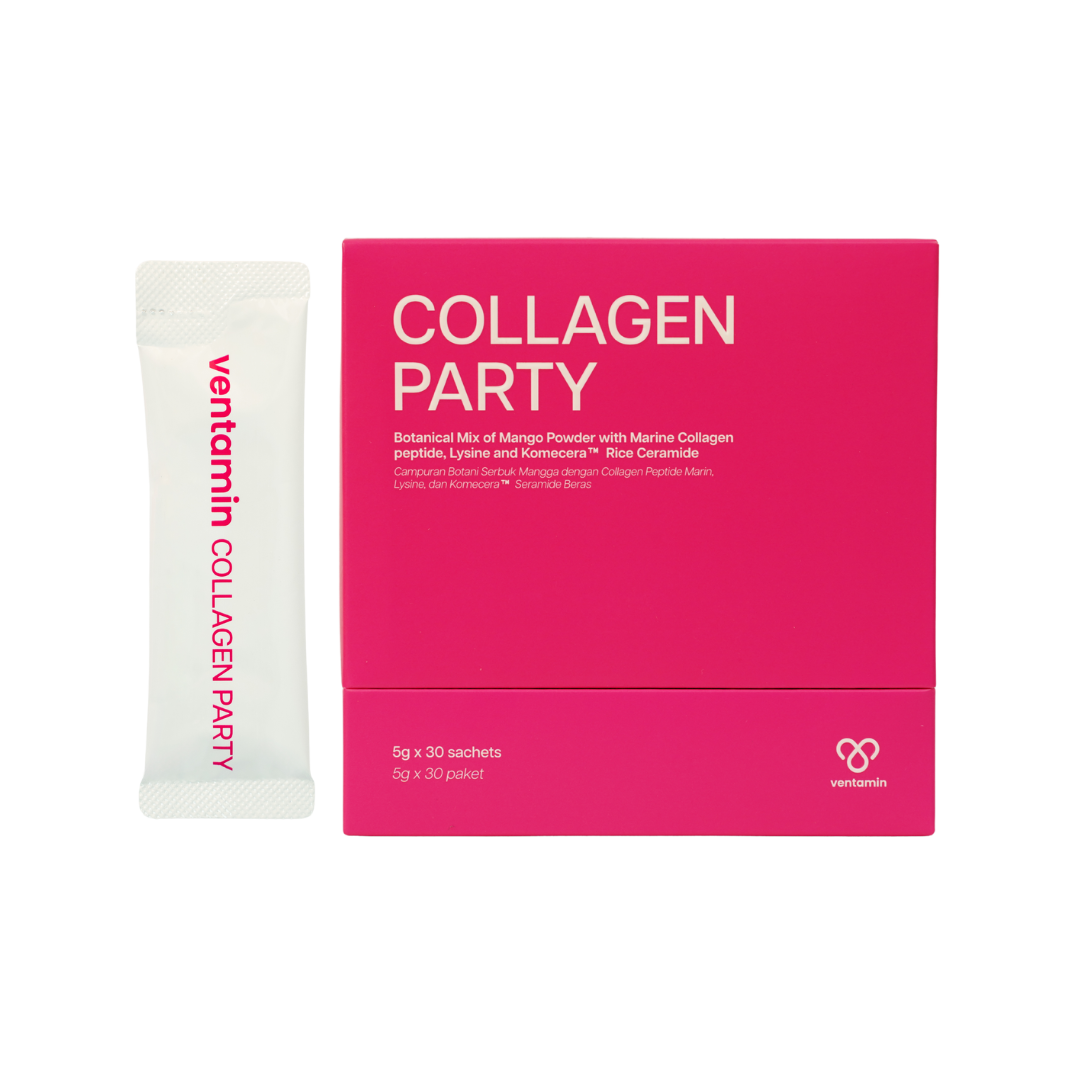
“Ceramides are ceramides.” That’s what many people assume. Then they try a “ceramide” product, feel nothing, and conclude ceramides are overhyped. The truth is more nuanced: ceramides are a category. Source, processing, and consistency matter.
If you care about your skin barrier, hydration, and long-term skin comfort, it’s worth understanding why Japanese rice ceramides are frequently positioned differently from generic ceramide sources.
This is a listicle-style breakdown of what’s different, what claims are just marketing language, what’s practically useful, and how to decide if Japanese rice ceramides deserve a place in your routine.
Quick refresher: what ceramides do for skin
Your outermost skin layer (the barrier) is designed to:
- keep water in
- keep irritants out
- stay calm under daily stress
Ceramides are part of the lipid “mortar” that helps that barrier stay intact. When barrier function is compromised, you tend to see dryness, roughness, sensitivity, and a “nothing works” feeling because everything starts stinging.
10 ways Japanese rice ceramides are different from generic ceramides
Let’s break down the differences in a practical way.
1) Source matters: not all ceramides come from the same place
“Generic ceramides” can come from multiple sources: synthetic lab-made ceramides, plant-derived sources, animal-derived sources (less common in modern beauty positioning), and blends. Japanese rice ceramides are commonly derived from rice bran, a rice component with a long history in Japanese wellness and skincare culture.
The source doesn’t automatically make something superior. But it does affect what a supplier can consistently produce at scale and what quality standards they follow.
2) Processing and extraction can change the final ingredient quality
With many lipid ingredients, the extraction method influences stability and consistency. When brands emphasize “Japanese ceramide production,” they’re often pointing to a manufacturing ecosystem known for quality control and standardization.
In plain language: if the ingredient is processed inconsistently, your results can be inconsistent too.
3) Standardization: consistent “lots” matter more than people think
One reason consumers get disappointed by supplements is that they unknowingly buy products with ingredient variability. Standardization matters because it makes the product’s performance more predictable. Japanese suppliers often emphasize consistent quality and testing because the market expects it.
4) Bioavailability framing: what your body can actually use
When oral ceramides are discussed, you’ll hear the word bioavailability. It basically means: how well your body can absorb and use the ingredient after you consume it.
Not all ingredients are equally “usable” once swallowed. That’s why two ceramide products can feel very different in terms of results and timeline. It’s not always because one brand is better. Sometimes it’s because the ingredient form and processing differ.
5) “Generic ceramides” is a label, not a guarantee
Many products use “ceramides” as a comforting buzzword. But “ceramides” on a label can mean:
- a tiny amount used for marketing
- a blend where ceramides are not the main functional component
- a form that isn’t optimized for the product format
This doesn’t mean the product is bad. It means you should not assume every “ceramide” product is equivalent.
6) Japanese rice ceramides are often positioned for barrier-first routines
The people who benefit most from ceramide support are often those stuck in cycles of:
- dryness that returns quickly
- irritation from strong skincare routines
- aircon dryness and tightness
- sensitivity that makes actives hard to tolerate
Japanese rice ceramides are commonly positioned for exactly that profile: barrier-first, long-term maintenance, and consistent comfort.
7) Lifestyle fit: Japan’s quality culture shows up in how ingredients are produced
Japan has a reputation for disciplined manufacturing standards in many categories. That doesn’t mean “Japanese” automatically equals “best.” But it does mean that when brands choose Japanese suppliers, they’re often choosing a system that prioritizes consistency.
For skin support ingredients, consistency matters because you’re not taking it once. You’re taking it daily for weeks.
8) Many “generic” products don’t tell you enough
One practical issue with generic ceramide products is that you often can’t tell what you’re really getting. Labels may not specify source, standardization, or concentration in a way that helps consumers compare.
When you can’t compare, you’re forced into trial and error. That’s why people end up thinking “ceramides don’t work.” Often they just didn’t get a product that was consistent enough to notice.
9) Japanese rice ceramides pair well with climates that stress the barrier
In Southeast Asia, your barrier is under a weird kind of pressure: heat and humidity outdoors, then dry air-conditioning indoors. Add commuting, UV exposure, and a busy lifestyle and you have a recipe for tight, reactive skin.
Ceramide support is not glamorous, but it’s one of the most practical moves for comfort and visible smoothness in that lifestyle.
10) The “best ceramide” is the one you can be consistent with
This is the part that’s easy to ignore. The best barrier routine is the one you can keep. Many people stay inconsistent because their routine is too complicated. Ceramide support, especially when combined with a simple skincare routine, can reduce that friction.
What to look for when comparing ceramide products (without getting tricked)
Here’s a practical checklist you can use:
- Clarity: does the brand explain source and purpose, or just use “ceramides” as a buzzword?
- Consistency: is the product positioned as daily maintenance, not a quick fix?
- Routine fit: does it help simplify your plan, or does it add complexity?
Most disappointment comes from buying a product that doesn’t match the problem you’re trying to solve.
Common mistakes: why ceramide routines fail
- They keep over-exfoliating and never let the barrier calm down.
- They change products too fast and don’t give a plan time to work.
- They expect instant transformation instead of gradual stability.
- They ignore sunscreen and keep triggering stress daily.
Simple decision guide: should you choose Japanese rice ceramides?
| If you want… | Japanese rice ceramides may be a fit when… | Skip for now if… |
|---|---|---|
| More stable hydration | Your dryness keeps returning despite moisturizer | Your cleanser is stripping and you won’t change it |
| Less irritation | You are simplifying actives and rebuilding barrier habits | You keep stacking strong acids nightly |
| Routine that’s easier to maintain | You want simple daily maintenance support | You want a 7-day “results” product |
A barrier-first routine that makes ceramides more effective
If you want ceramide support to actually feel meaningful, pair it with a routine that stops actively damaging your barrier:
- Morning: gentle cleanse (or rinse), moisturizer if needed, sunscreen.
- Night: gentle cleanse, moisturizer, one treatment step only if tolerated.
Barrier improvement usually happens when you remove the sources of irritation, not when you add more actives.
FAQ
Are Japanese rice ceramides only for dry skin?
No. Even oily skin can have a compromised barrier, especially if you over-cleanse, use harsh acne routines, or over-exfoliate.
Do I need topical ceramides if I take oral ceramides?
Not always. Many people do well with either approach, depending on their routine and preferences. If your skin is very dry and reactive, topical barrier support can be helpful while you build consistency.
How long should I try barrier support before judging it?
Give your routine time. For most people, several weeks of consistent barrier-first habits is a more realistic window than a few days.
Premium Japanese ceramides
Shop Collagen Party Now → Premium Japanese rice ceramides for superior skin barrier support. Subscribe and save 15%.