
“More collagen” sounds like the safest advice in the world. If collagen is good, more must be better. Right?
Not exactly. In clinic, I see two types of collagen users:
- People who take a reasonable daily dose consistently and see gradual improvement.
- People who chase the highest grams, feel confused, and quit.
This article explains why more collagen isn’t always better, what “optimal dose” actually means, and how to choose a daily amount that your body can use without turning your routine into a burden.
Read to the end because I’ll give you a decision guide that tells you whether you should prioritize dose, formulation, or lifestyle protection. Most people pick the wrong lever.
The biggest myth: collagen works like a direct “top-up”
Collagen doesn’t work like pouring collagen into your skin. You ingest collagen, digest it, and your body decides what to do with the fragments. That means the limiting factor isn’t always “more input.” It can be:
- absorption consistency,
- collagen-building signals,
- or collagen breakdown (UV, inflammation, stress).
So if those are your bottlenecks, “more grams” won’t fix it.
Why high-dose collagen can be wasteful (and sometimes counterproductive)
High doses aren’t automatically harmful, but they often fail in real life because:
- Adherence drops: bigger doses can feel heavier, less pleasant, or more inconvenient.
- Expectations inflate: people assume high-dose = fast results, then get disappointed.
- Protection is ignored: people rely on collagen and skip sunscreen and sleep.
The most effective collagen plan is the one you can do daily for months without resentment.
What “optimal dose” actually means
Optimal dose means: the daily amount that provides a reliable signal and building blocks while still being easy enough to take consistently.
For many people, this is not the maximum. It’s the amount you can do every day.
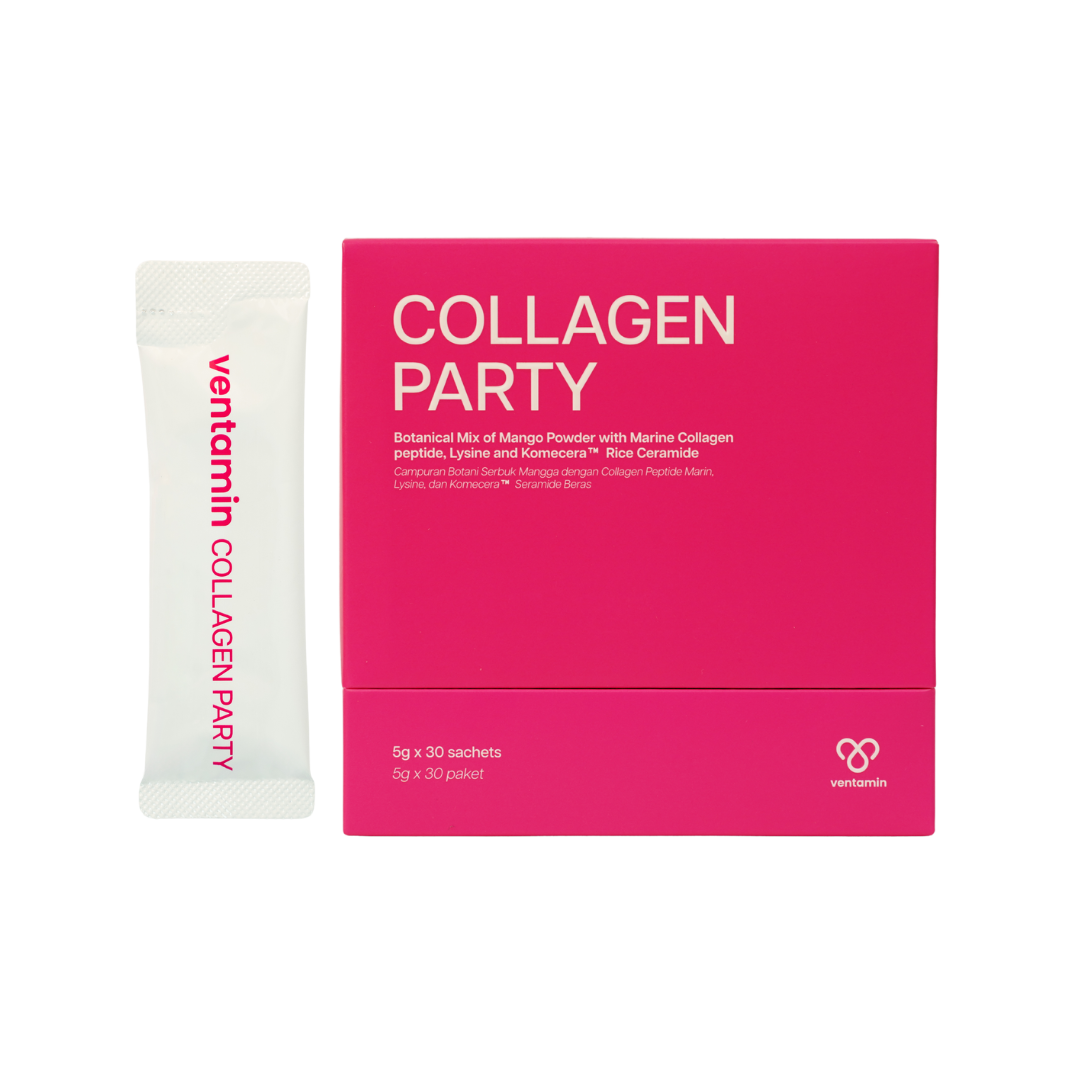
Why Collagen Party focuses on a functional dose
Collagen Party is built around an approach that prioritizes:
- consistent daily intake,
- bioavailable collagen peptides,
- and supporting amino acids that help collagen formation (like L-Proline and L-Lysine).
This is how you maximize outcomes without turning dose into a stressor.
The dose trap: what people do that ruins their results
- They take a huge dose for 2 weeks, then stop.
- They switch brands monthly.
- They skip sunscreen and then blame collagen.
- They over-exfoliate and inflame their barrier.
None of those are dose problems. They are system problems.
Simple decision guide: what should you prioritize?
| If you… | Your priority is | Do this |
|---|---|---|
| Quit supplements often | Adherence | Choose a dose and format you’ll take daily |
| Are consistent but see no change | Formulation / signaling | Use a function-first formula, not just grams |
| See results then lose them after sun | Protection | Daily sunscreen + reduce UV exposure habits |
| Have dry, irritated skin | Barrier calm | Simplify skincare and reduce inflammation |
The “secret number” for collagen dosing success
The number is 1: one daily dose you can maintain.
People don’t lose results because the dose wasn’t high enough. They lose results because they never did one dose consistently long enough for the trend to show.
FAQ
Should I double my dose to get faster results?
Not necessarily. First fix sunscreen, sleep, and consistency. Those usually create a bigger difference than doubling grams.
What if I’m very active or larger-bodied?
Some people choose higher protein intake overall. But for skin outcomes, the biggest predictors are consistency and protection, not maximal collagen grams.
How long should I try before judging?
Give it 12 weeks of daily consistency. Anything shorter is usually too early for structural outcomes.
Bottom line: don’t chase the highest dose. Chase the highest chance of adherence and a complete system: build, signal, protect.
Optimal supplementation
Shop Collagen Party Now → 12.5g collagen + L-Proline + L-Lysine = optimal dose for results. Subscribe and save 15%.