
“Marine vs bovine” is one of those debates that sounds like internet noise until you realize it directly affects your results. If your goal is skin texture, firmness, and elasticity, the source of collagen can change how predictable your response is and how easy it is to stay consistent.
This article explains the difference in a skin-first way (not a supplement-nerd way), and gives you a decision guide at the end so you can choose without guesswork.
First: what collagen your skin actually uses
Your skin is rich in Type I collagen. When we talk about collagen for “skin,” what we’re really talking about is supporting the structures that make skin look firm and smooth.
Different collagen sources can have different profiles and different consumer experience (taste, tolerance, consistency). That matters because collagen only works if you take it consistently long enough.
Marine collagen (why it’s often chosen for skin)
Marine collagen is often discussed as “more skin-focused” for two practical reasons:
- It is commonly Type I dominant (the type most associated with skin structure).
- Many people find it fits their routine better (depending on processing and formulation).
For skin goals, what matters most is not ideology. It’s the combination of absorbable peptides, consistent use, and protection from breakdown (sun, inflammation, poor sleep).
Bovine collagen (when it can still make sense)
Bovine collagen can still be a reasonable choice for some people, especially if:
- it’s the option they’ll actually take daily,
- it’s easier to purchase consistently,
- they tolerate it well.
Remember: a “perfect” collagen source taken inconsistently loses to a “good enough” option taken daily.
The real differentiator: how the collagen is processed
Source matters, but processing matters too. The practical question is:
- Is it reliably hydrolyzed into smaller peptides for absorption?
- Is the formulation built for tolerance and daily adherence?
In clinic, “marine vs bovine” is often less important than “hydrolyzed and consistent vs random and inconsistent.”
What makes results look better (no matter the source)
If you want collagen to show up in the mirror, these three behaviors dominate:
- Daily sunscreen: UV breaks down collagen quickly.
- Barrier-friendly skincare: irritation makes skin look older faster.
- Sleep stability: recovery time is when repair happens.
Source becomes more important after these are in place.
Where Collagen Party fits
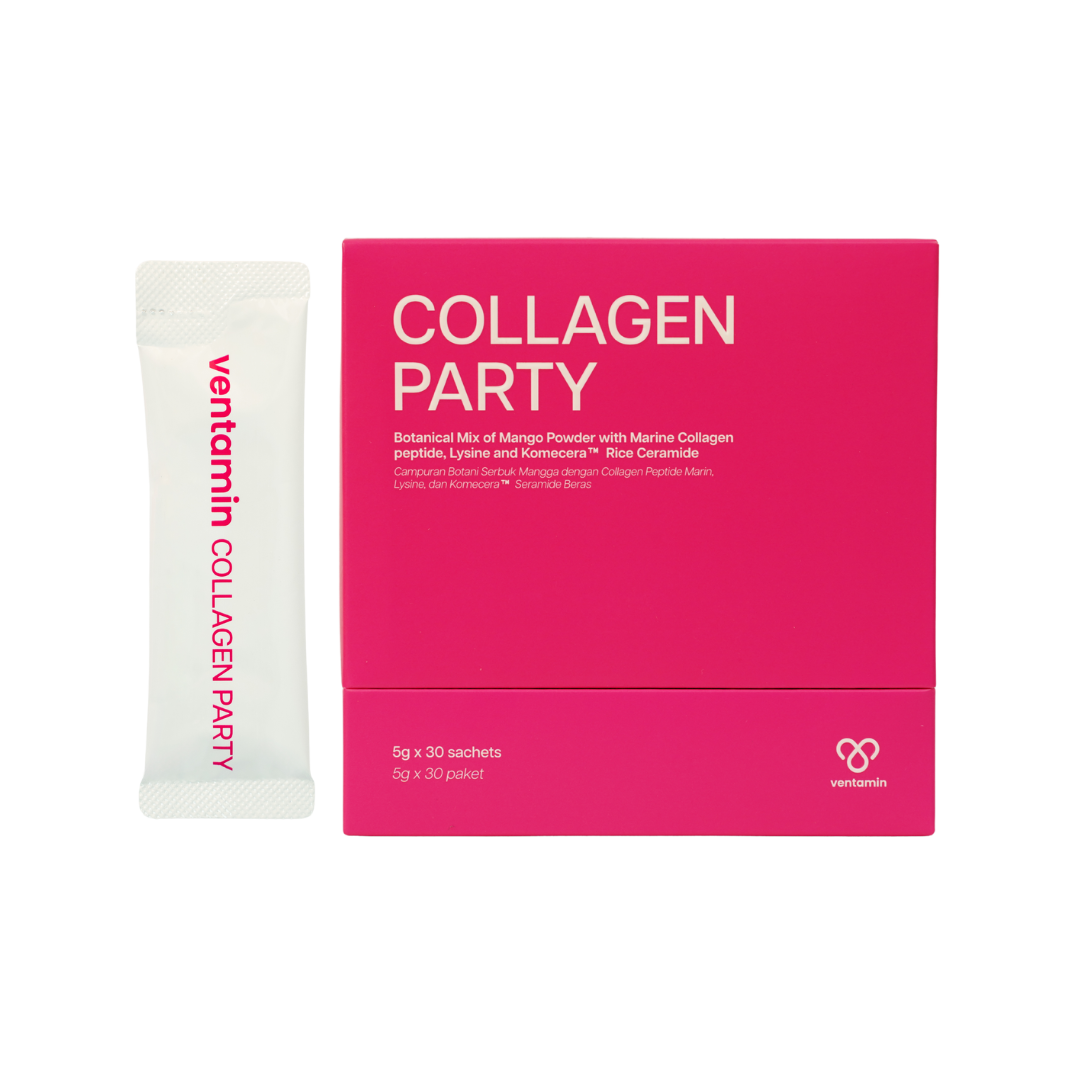
Collagen Party uses Norwegian-sourced marine collagen and is designed around a skin-first approach with supportive amino acids. The goal is to optimize not just “collagen intake,” but the collagen-building workflow and daily adherence.
Simple decision guide: which source is better for you?
| If you… | Marine collagen is often better | Bovine collagen can be fine |
|---|---|---|
| Main goal is facial skin texture/firmness | Yes, often preferred | Can work, but choose a well-processed option |
| Need the easiest daily habit | If you tolerate it well | If it’s easiest to keep consistent |
| Have strong sun exposure | Only if you also protect from UV | Only if you also protect from UV |
| Quit supplements quickly | Choose the one you’ll take daily | Choose the one you’ll take daily |
The “secret number” that predicts results
The number is 12 weeks.
Most people don’t give collagen enough time. If you can commit to 12 weeks of daily use and pair it with sunscreen, you’ll get a much clearer answer than if you bounce between products every month.
FAQ
Is marine collagen always better?
Not always. For skin goals, it’s often preferred, but processing and consistency matter just as much.
What if I’m sensitive?
Choose a formula you tolerate well. If tolerance is poor, adherence fails and results fail.
Can I take collagen and ignore sunscreen?
You can, but you’ll likely be disappointed. UV breaks down collagen faster than most people think.
Bottom line: for skin, marine collagen is often a better fit, but the best collagen is the one you’ll take consistently while protecting your skin from daily breakdown.
Best marine collagen for skin
Shop Collagen Party Now → Norwegian-sourced marine collagen with L-Proline and L-Lysine. Subscribe and save 15%.