
Inflammation is one of the most overlooked reasons pigmentation keeps recurring. People usually think melasma or post-inflammatory hyperpigmentation is only about dark spots, but the real issue is often the signal underneath the spot. If the skin stays irritated, the pigment pathway stays active.
This is why harsh treatments sometimes produce mixed results. A peel, laser, or aggressive acid can temporarily make skin look smoother, but if the barrier becomes inflamed, the skin can respond by generating more pigment or by making existing pigment more visible. In other words, you can create progress on the surface and still worsen the biology underneath.
1. Inflammation is not the enemy, but chronic inflammation is
The skin uses inflammation as part of its normal repair process. That is useful when you have a cut or a minor injury. The problem starts when inflammation becomes chronic or repeated. In pigmentation-prone skin, repeated irritation can leave the pigment system in a heightened state, making dark patches more persistent and more visible after every trigger.
That means the goal is not to eliminate all inflammation, which would be impossible. The goal is to reduce the repeated micro-irritations that keep the cycle alive. Think about over-cleansing, harsh scrubs, too many actives, and poorly timed procedures. Those small decisions can add up and keep the skin in a low-grade inflammatory state.
2. Barrier damage makes pigmentation more reactive
The skin barrier is supposed to protect you from water loss, external irritants, and excessive sensitivity. When that barrier is compromised, the face becomes more likely to sting, burn, and flush. It also becomes more likely to show pigment changes after sun exposure or after the wrong product. This is why sensitive skin and pigmentation often travel together.
A better routine supports the barrier first. That means fewer products, gentler cleansing, and deliberate spacing between active ingredients. You do not need to “feel” a product working to know it is helping. Sometimes the best sign of progress is that your skin stops reacting so much.
3. Lasers and peels can backfire if the skin is not ready
In-office treatments can be useful, but they are not free from tradeoffs. On reactive skin, lasers or peels may temporarily increase redness and inflammation. If the skin then responds with more pigment, the person assumes the treatment failed. In reality, the treatment may have been too aggressive for that stage of the skin’s condition.
This is why dermatologist guidance matters. A professional can help determine when a procedure makes sense and when the skin needs a calmer maintenance phase instead. More intensity is not always more progress. Sometimes it is just more inflammation.
4. Stress and sleep indirectly amplify inflammation
Like in many chronic skin conditions, stress does not create the entire problem, but it makes it harder to control. Poor sleep, poor recovery, and general stress can raise reactivity and make people less consistent with their routine. That is how emotional load becomes physical load. The reader is not imagining the pattern.
A practical anti-inflammatory routine therefore includes habits beyond the bottle: better sleep, more consistency, less product-hopping, and fewer “rescue” experiments. When the skin is already reactive, a chaotic routine keeps it reactive.
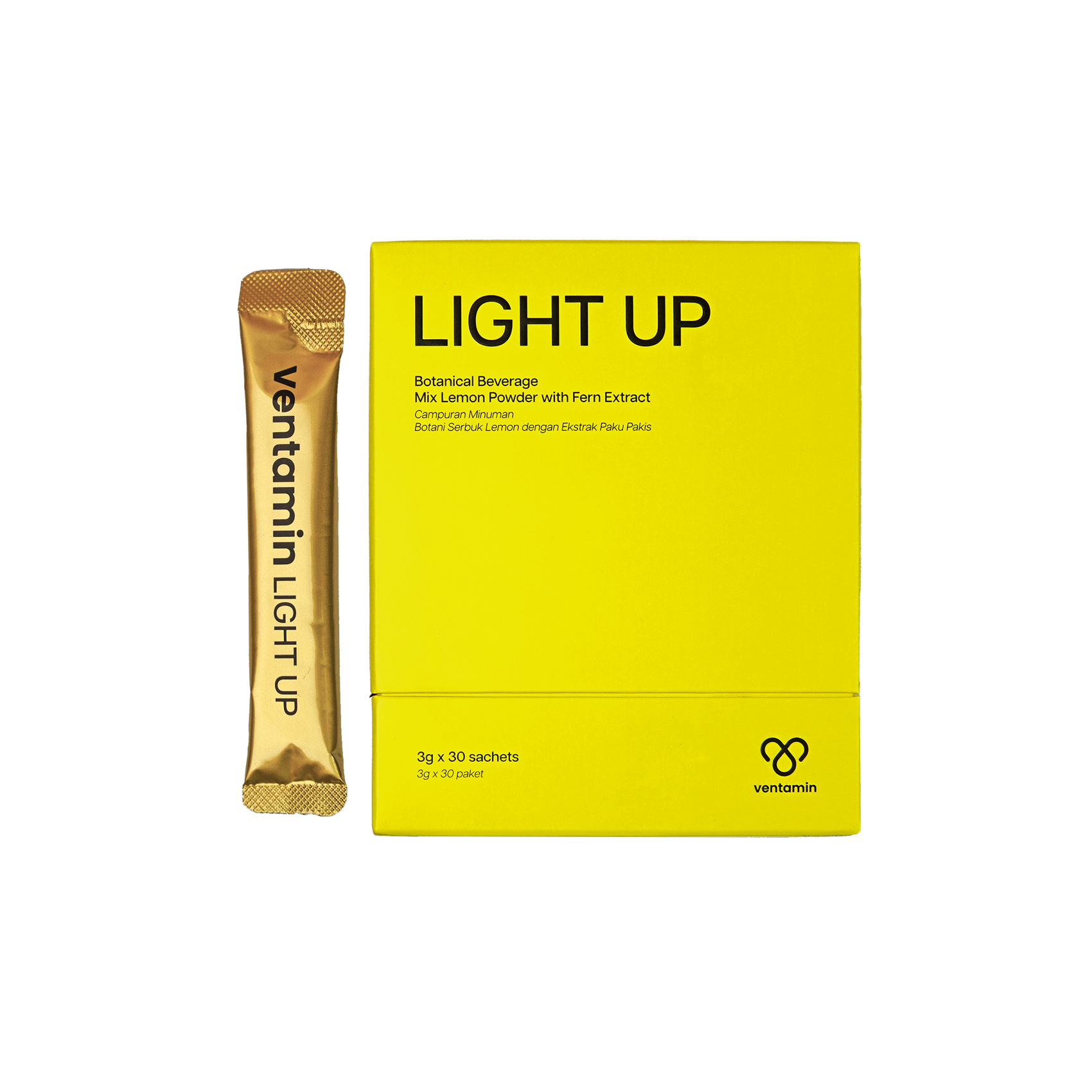
5. How Light Up fits the anti-inflammatory strategy
Light Up belongs in this conversation because inflammation-focused pigmentation care is not just about one cream or one active. It is about supporting the skin from the inside while keeping the outside routine gentle and repeatable. Light Up is positioned as a support layer for readers who want a simpler long-term plan.
The reason this matters is simple. If the reader can stay consistent, the skin has a better chance to calm down. A complicated routine that gets abandoned every two weeks does not help the barrier recover. A simpler routine is more likely to reduce the inflammatory noise that keeps the pigment cycle active.
6. What an anti-inflammatory pigmentation routine looks like
- Use one cleanser that does not strip the skin.
- Keep actives spaced out and purposeful.
- Use sunscreen every morning.
- Choose products that do not sting.
- Support the routine with a daily internal step if that helps adherence.
Readers often think they need to “attack” pigmentation. In practice, pigmentation usually responds better when you stop attacking it and start calming the conditions that feed it. That is the whole model here.
CTA: Buy Light Up
In short, inflammation triggers recurrent pigmentation because the skin keeps receiving repair signals. The more you reduce the irritants, the easier it is for the pigment to settle down and stay down.