
5 hidden reasons in your home that are making your melasma worse
You may be avoiding the sun, applying skincare, and still wondering why the patches keep coming back. The problem may not be outside. It may be inside your home.
Melasma is not only a “sun problem.”
Think of melasma like a smoke alarm. Sunlight is the obvious smoke. But heat, visible light, friction, fragrance, and irritation can also set it off. That is why some people do everything “right” and still flare.
UVA rays piercing through windows
Many people assume that if they are indoors, they are safe from sun damage. But standard glass blocks mostly UVB rays while UVA rays can still pass through. UVA is a major trigger for aging, pigmentation, and melasma relapse.
If your desk, sofa, driving seat, or reading chair sits next to a bright window, your skin may still be receiving melasma-triggering light without you realizing it.
Wear broad-spectrum sunscreen every morning, even on indoor days. If you sit next to bright windows for long hours, consider UV-blocking window film for your work area, bedroom, or car.
Heat from cooking and stovetops
Melasma is not triggered by light alone. It can also be triggered by heat. Heat dilates blood vessels, increases skin flushing, and can stimulate melanocytes — the pigment-producing cells in the skin.
Standing over a hot stove, bending over a steaming pot, or opening a hot oven can repeatedly warm the face and make melasma more stubborn.
Use your exhaust fan, keep the kitchen ventilated, and place a small fan nearby when cooking. After cooking, cool the skin with cool water or a cool compress for a few minutes.
Blue light from screens and LED bulbs
The visible light from phones, laptops, tablets, and bright LED lighting may worsen hyperpigmentation, especially in medium to deeper skin tones. This is one reason some melasma patches look extra stubborn even when you are careful with UV sunscreen.
Turn on night shift or warm screen settings. More importantly, choose a tinted sunscreen with iron oxides, because the tint helps block visible light from reaching the skin.
Steamy, hot showers
A hot shower may feel relaxing, but if your bathroom mirror is fully fogged up and your face looks red after showering, your skin is getting too much heat. For melasma-prone skin, repeated heat exposure can keep pigment cells active.
Use lukewarm water instead of hot water. If you love hot showers, keep them short, avoid putting your face directly under the hot stream, and wash your face separately with cool water at the sink.
Irritating skincare and “hidden” fragrances
Inflammation is one of the easiest ways to make pigmentation darker. Harsh scrubs, fragranced products, aggressive exfoliation, and too many actives can create tiny inflammation in the skin.
Many people try to scrub melasma away. But melasma is not dirt. The more you irritate the skin, the more the skin may respond by making pigment.
Treat melasma-prone skin like sensitive skin. Use a gentle fragrance-free cleanser, a barrier-repairing moisturizer, and introduce brightening ingredients slowly.
What is your melasma trigger profile?
Choose the option that sounds most like your skin. We’ll show you the first routine change to make at home.
Your trigger profile
Your result will appear here.
Start My 1-Minute Skin Analysis
Get a clearer idea of what may be triggering your pigmentation, then receive a routine matched to your skin.
Protect the outside. Support the inside.
Sunscreen, cooling, and gentle skincare are your daily “outside” protection. But melasma-prone skin also needs consistent antioxidant support because pigmentation is strongly linked to oxidative stress and inflammation.
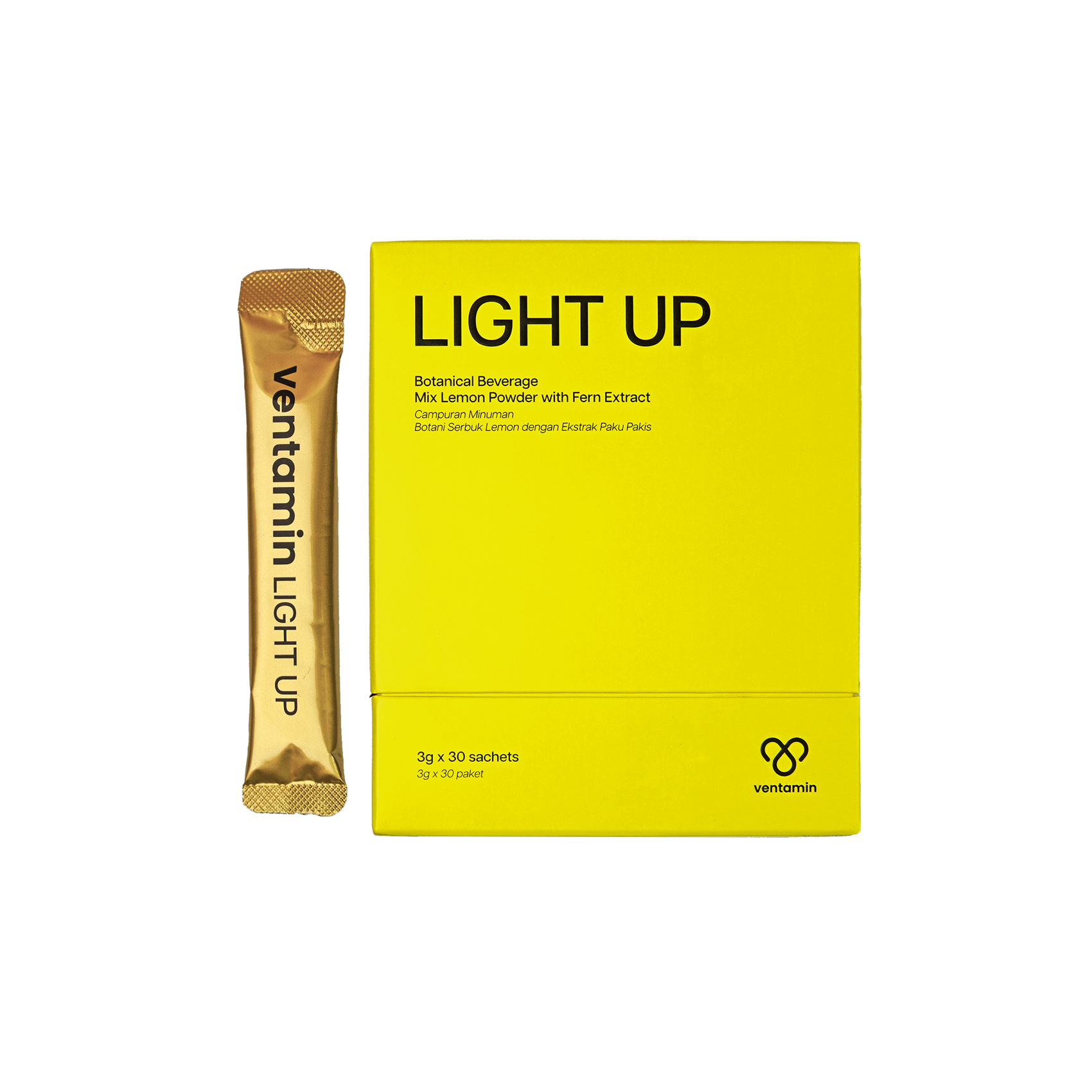
Ventamin Light Up is designed as a daily oral brightening support with dermatologist-selected antioxidants including pine bark, fern extract, L-cysteine, green tea, tremella, vitamin C, and more.
